
Navigating the Wild: A Boater’s Guide to Midnight Pass
Since its dramatic reopening in 2024, Midnight Pass has remained a “wild” inlet. Unlike the nearby Venice or Big Sarasota Passes, it lacks concrete jetties and permanent Coast Guard buoy markers. The sand is constantly shifting; where there was four feet of water last week, there may be a dry sandbar today.
Reading the Water: Visual Cues
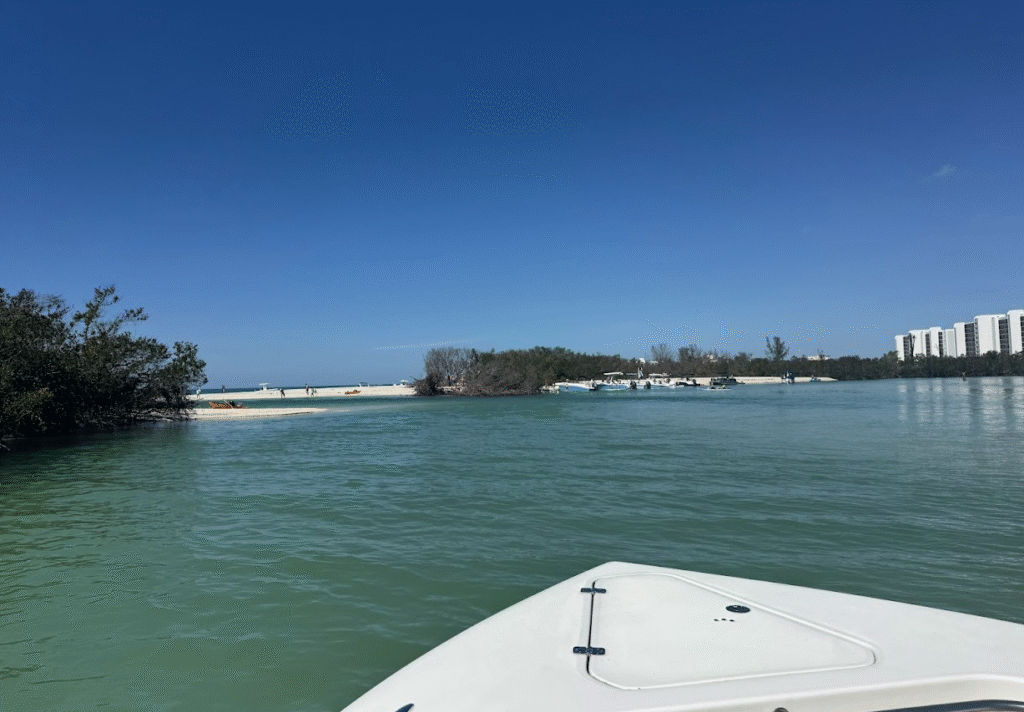
Because you cannot rely on a GPS chart for a natural pass, you must learn to “read” the water.
- Dark Blue/Green: Deep water. This is your primary travel lane.
- Light Blue/White: Shallow sandbars. Avoid these areas, especially at high speeds.
- Brown/Yellow: Extremely shallow. This is usually “skinny water” where you may run aground.
- Rippled “Standing” Waves: This indicates where the current is hitting a shallow shelf. It’s often a sign of a dangerous drop-off or a sudden shoal.
The Midnight Pass Boater’s Checklist
Before you head out to the pass, go through this 2026 safety protocol:
| Task | Priority | Why it matters |
| Check Tide Tables | High | Attempting the pass for the first time should only be done on a rising (flood) tide. If you touch bottom, the rising water will float you off. |
| Polarized Sunglasses | High | These are mandatory. They cut the Gulf’s glare, allowing you to see submerged sandbars and shoals before you hit them. |
| Monitor Channel 16 | Medium | Local boaters often report new hazards or “groundings” on the VHF radio. |
| Trim Up | High | Keep your motor trimmed up slightly when approaching the pass to minimize draft and protect your prop from the shifting sand. |
| Anchor Check | Medium | Ensure you have a Danforth or Claw anchor with at least 6 feet of chain. The current in the pass will pull a light anchor easily. |
The Complete History & Guide to Sarasota’s Midnight Pass
(Here is the full, updated article combining all the sections we’ve built together.)
For decades, the stretch of sand between Siesta Key and Casey Key was more than just a beach—it was a battlefield of bureaucracy, environmental advocacy, and the raw power of the Gulf. Known as Midnight Pass, this once-vibrant inlet was silenced by human hands in 1983, only to be dramatically reclaimed by nature during the historic 2024 hurricane season.
A Tale of Two Keys: The History
Historically, Midnight Pass was a “nomad”—it naturally migrated north and south over the decades in response to tides and storms. In 1983, fearing for the stability of nearby luxury homes, the county allowed the pass to be bulldozed shut with the promise of a “relocation” that never happened. For 41 years, the “plug” remained in place, turning Little Sarasota Bay into a stagnant, brackish pond.
The Milton Intervention & Environmental Rebirth
In October 2024, Hurricane Milton did what 40 years of litigation could not. The storm surge carved a 200-foot-wide channel through the sand, restoring the tidal heartbeat of the bay.
- Water Quality: The “flushing” action has drastically reduced nitrogen levels and cleared the water.
- Habitat: We are seeing a massive resurgence in clams, oysters, and scallops.
- Access: Boaters now have a direct gateway to the Gulf, saving significant fuel and time.
Current Fishing & Wildlife (Feb 2026)
The pass is currently a “fish highway.”
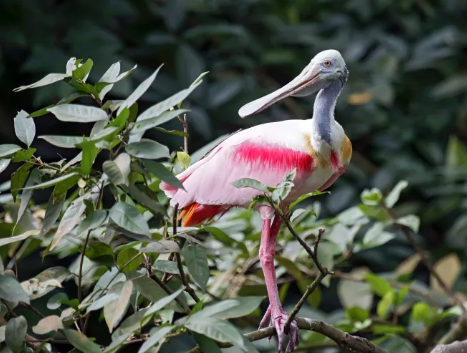
- Wildlife: Expect to see Bottlenose Dolphins surfing the wake of the tide, Manatees grazing the new seagrass, and Roseate Spoonbills hunting the shoreline.
- Angling: Redfish and Pompano are the highlights this month. Use live shrimp on a 1/8-ounce jig head along the edges of the main channel for the best results.
Safety First
- Swimmers: Stay out of the center channel. The current can move at over 3 knots, easily sweeping a person into the Gulf.
- Boaters: Always use a spotter on the bow. The pass is unmarked and changes with every major front.
The “Rebirth of Midnight Pass” is a rare reminder that the Florida coastline is a living, breathing entity. Whether the pass stays open for the next century or eventually silences itself with sand again, its 2024 reopening remains a legendary chapter in Sarasota’s history.