
April in Southwest Florida (SWFL) is the “sweet spot” for birdwatchers. We are currently in the heart of the spring migration, where millions of birds use the Florida peninsula as a literal highway. Simultaneously, our year-round residents are deep into nesting season, making them more active and visible than any other time of year.
Whether you are a seasoned “lister” or just enjoy the flash of a wing over the mangroves, here is your comprehensive guide to birding SWFL this April.
The April Phenomenon: Why Now?
April marks the peak of Neotropical Migration. Birds that spent the winter in Central and South America are heading north to their breeding grounds. Exhausted from crossing the Gulf of Mexico, many “fall out” in the first patch of green they see—which is often our coastal hammocks and parks.
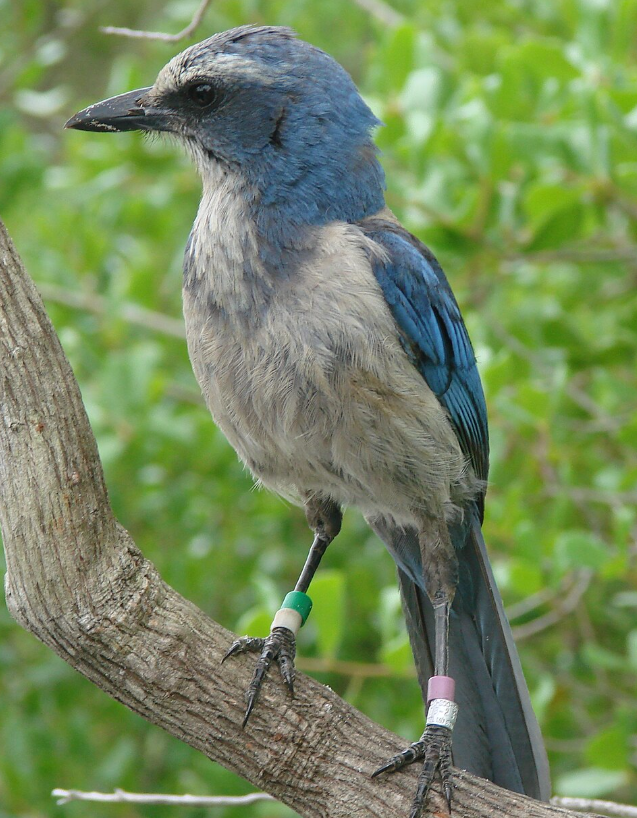
The Star of the Show: The Florida Scrub-Jay
As Florida’s only endemic bird species (meaning they live nowhere else on Earth), the Florida Scrub-Jay is a bucket-list bird. April is a critical month for them as they are actively nesting and defending territories.
- Where to find them: Oscar Scherer State Park in Osprey is the premier destination. You can also find them at Cedar Point Environmental Park in Charlotte County.
- Optimal Conditions: They prefer “scrub” habitat—low-growing oaks and sandy patches.
- Time of Day: Early morning (7:00 AM – 9:00 AM) is best. They are social and curious; look for the “sentry” perched on the highest branch of a scrub oak.
- Pro Tip: Please remember they are a federally threatened species. Never feed them; it disrupts their natural diet and nesting success.
Other Species to Watch for in April
1. The “Flying Rainbows”: Painted Buntings
While many buntings begin heading north in April, some linger in the thickets of Southwest Florida.
- Location: Corkscrew Swamp Sanctuary (Naples) or the Celery Fields (Sarasota).
- Conditions: Look near bird feeders or in dense, shrubby edges where they feel safe.
2. The Aerial Acrobat: Swallow-tailed Kite
These stunning black-and-white raptors return to Florida in the spring. By April, they are a common sight soaring over pine flatwoods and marshes.
- Location: Myakka River State Park and Babcock Ranch.
- Time of Day: Mid-morning to afternoon. As the ground warms, they use thermals to glide effortlessly while hunting for dragonflies and small lizards.
3. The “Pink Gold”: Roseate Spoonbills
April is a fantastic month for spoonbills, as the chicks in many rookeries are getting larger and more vocal.
- Location: J.N. “Ding” Darling National Wildlife Refuge (Sanibel) and the Venice Rookery.
- Optimal Conditions: Low tide. As the water recedes, these birds “sift” the shallow mud for crustaceans, which gives them their iconic pink hue.
4. Beach Nesters: Snowy Plovers and Least Terns
Late April is the start of nesting season for our sensitive shorebirds.
- Location: Carlos Beach (Fort Myers Beach) and Lido Key.
- Conditions: Look for roped-off “Authorized Personnel Only” zones. Use binoculars to scan the sand for these master-of-disguise birds nesting in the open.
Top SWFL Birding Hotspots
| Location | Key Species | Best Strategy |
| Oscar Scherer State Park | Florida Scrub-Jay, Pine Warbler | Walk the “Scrub-Jay Trail” at sunrise. |
| The Celery Fields | Limpkin, Sora, Painted Bunting | Climb the hill for an aerial view of the wetlands. |
| Myakka River State Park | Sandhill Cranes, Ospreys, Vultures | Drive the main road toward the Upper Lake at dusk. |
| Ding Darling NWR | Shorebirds, Reddish Egret | Drive the “Wildlife Drive” during a falling tide. |
| Bunche Beach Preserve | Migratory Shorebirds | Arrive 1 hour before low tide for the best foraging views. |
Guided Services & Resources
If you want to maximize your sightings, Southwest Florida has world-class professional guiding services:
- Babcock Ranch Eco-Tours: They offer specialized “Photography” and “Birding” tours via swamp buggy, which gets you into remote areas of the 73,000-acre ranch to see Red-cockaded Woodpeckers and Kites.
- Rookery Bay Eco-Tours: Located in Naples, they provide “Birding with Biologists” boat and kayak tours that explore the hidden mangrove tunnels and rookery islands.
- Audubon Society Chapters: Both the Sarasota Audubon and Venice Audubon frequently host “Guided Bird Walks” that are often free or require a small donation. Check their online calendars for April schedules.
- Peace River Audubon: Excellent for those looking to explore the Port Charlotte and Punta Gorda areas, specifically the Charlotte Harbor environmental centers.
