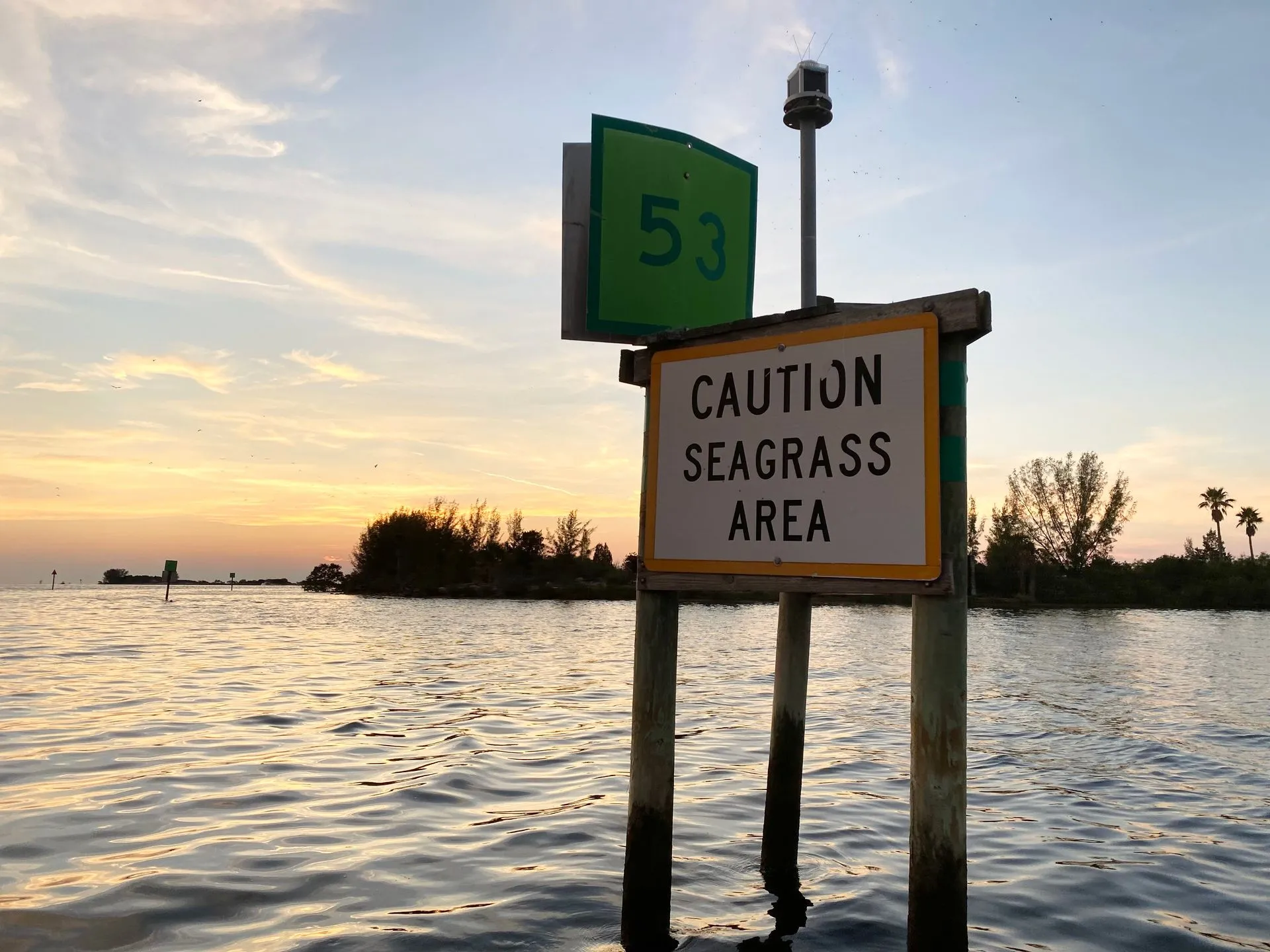
Beneath the surface of Tampa Bay are doing something scientists once feared impossible: they are winning. After a tumultuous decade of “two steps forward, one step back,” recent data from early 2026 confirms a significant and heartening rebound of seagrass throughout much of the estuary.
From the crystalline shallows of Fort De Soto to the recovering reaches of Boca Ciega Bay, these “canaries of the estuary” are proving that with a mix of strict policy, community action, and a little help from Mother Nature, resilience is more than just a buzzword.
The “Canary” is Singing Again
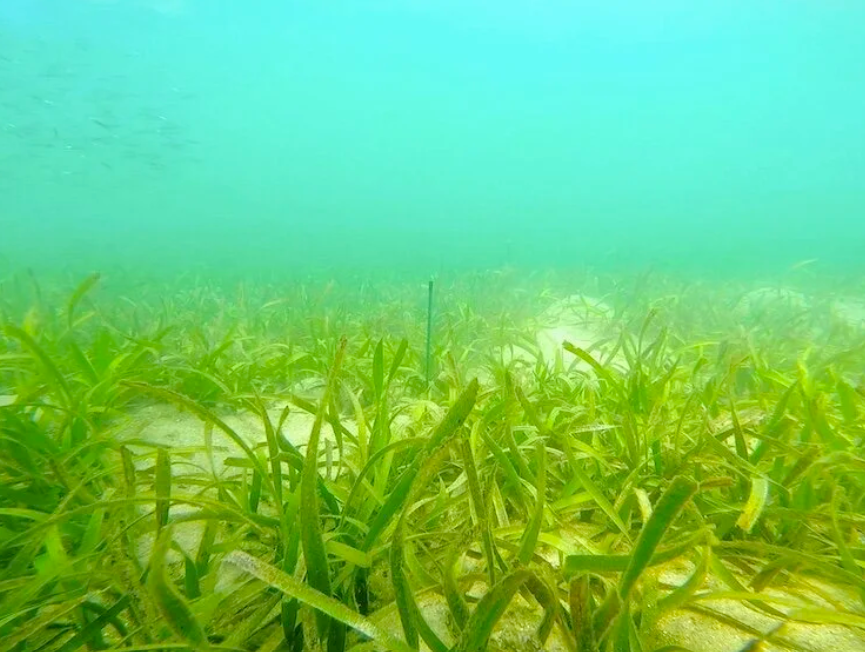
Seagrass is more than just underwater lawn; it is the ultimate barometer for the health of Tampa Bay. Because these plants require clear water to photosynthesize, their presence—or absence—tells the story of every drop of runoff, every gallon of wastewater, and every pound of fertilizer that enters the watershed.
Why Seagrass Matters
- The Nursery Effect: Roughly 75% of the region’s recreationally and commercially important fish species (like snook, redfish, and trout) spend at least part of their lives in seagrass beds.
- Water Purifiers: Their roots stabilize the seafloor, preventing erosion, while their blades trap sediments and absorb excess nutrients.
- Carbon Sequestration: Seagrass meadows are “blue carbon” powerhouses, burying carbon at a rate significantly higher than terrestrial forests.
The 2026 Report: A Record-Breaking Recovery
Preliminary surveys conducted in the spring of 2026 by the Southwest Florida Water Management District (SWFWMD) and the Tampa Bay Estuary Program (TBEP) have provided the most optimistic data in years.
The Drought’s Silver Lining
Paradoxically, a recent period of dry weather has been a blessing for the bay. With less rainfall, there has been a dramatic reduction in stormwater runoff. This means fewer nutrients like nitrogen and phosphorus are being washed into the bay.
The result? Lower turbidity and a decrease in macroalgae blooms. With the water clearing up, sunlight is finally reaching the seafloor in areas that have been “dark” for years, allowing species like Shoal grass (Halodule wrightii) and Manatee grass (Syringodium filiforme) to colonize new territory.
“In Boca Ciega Bay and Lower Tampa Bay, we are seeing seagrass levels that rival or even exceed the record highs of 2016,” says Chris Anastasiou, Chief Water Quality Scientist for SWFWMD. “The resilience of these systems after the back-to-back hits of the 2024 hurricane season is nothing short of remarkable.”
Tech and “Fins on the Ground”
Monitoring this comeback requires a high-tech approach. Scientists use a combination of aerial photography taken from planes and satellite imagery analyzed by machine learning algorithms to map the acreage.
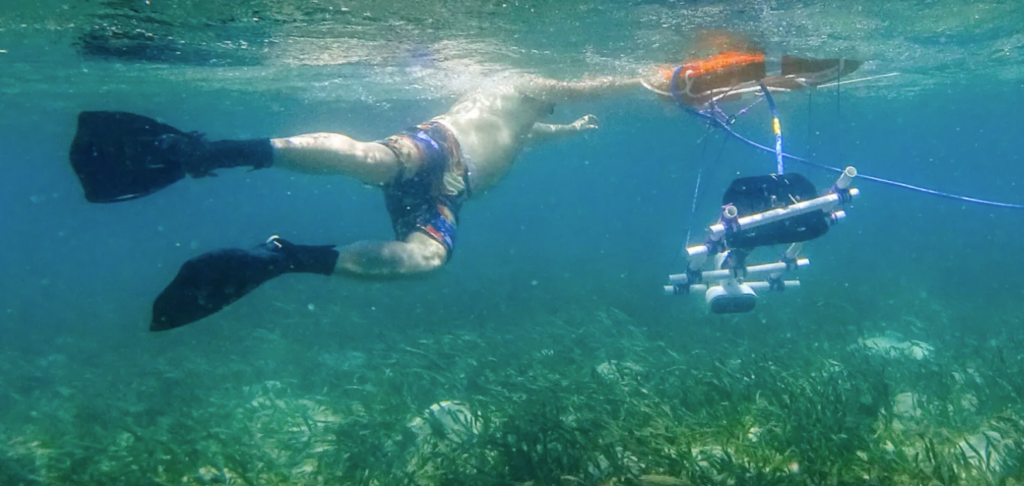
However, the “boots on the ground” work remains essential. Scientists and volunteers from organizations like Tampa Bay Watch regularly dive into the meadows to:
- Assess Density: It’s not just about how much area is covered, but how thick the “forest” is.
- Monitor Biodiversity: Checking for the return of bay scallops and juvenile sea turtles.
- Identify Species: Tracking the spread of Turtle grass (Thalassia testudinum), the slowest-growing but most stable of the local species.
Remaining Challenges: The Battle for Old Tampa Bay
While the southern and middle portions of the bay are thriving, Old Tampa Bay (the northwestern segment) remains a difficult frontier. This area suffers from poor circulation and is more susceptible to “Pyrodinium” algae blooms, which can shade out seagrass.
Restoration Strategies in Play:
- Nitrogen Caps: Local governments continue to adhere to strict voluntary “caps” on nitrogen pollution to keep the water clear.
- Prop Scar Repair: Boaters are being educated on the damage caused by “prop scarring.” Restoration teams use sediment tubes—biodegradable socks filled with sand—to fill in these scars and allow the grass to grow back over the “scars” on the bay floor.
- Circulation Improvements: Discussions are ongoing regarding bridge and causeway modifications to improve the natural “flushing” of the upper bay.
A Legacy of Collaboration
The comeback of 2026 isn’t an accident; it’s the result of a decades-long experiment in regional cooperation. By treating the bay as a single living organism rather than a series of disconnected coastlines, the Tampa Bay region has set a global gold standard for estuary recovery.
As we look toward the rest of the decade, the goal is to maintain the 40,000-acre threshold. It is a delicate balance of managing growth on land to ensure life can continue to flourish beneath the waves. For now, the message from the bay is clear: when we give the water a chance to breathe, the emerald meadows return.
