
Charting Your Course: How to Get Your Boater Safety Card in Southwest Florida
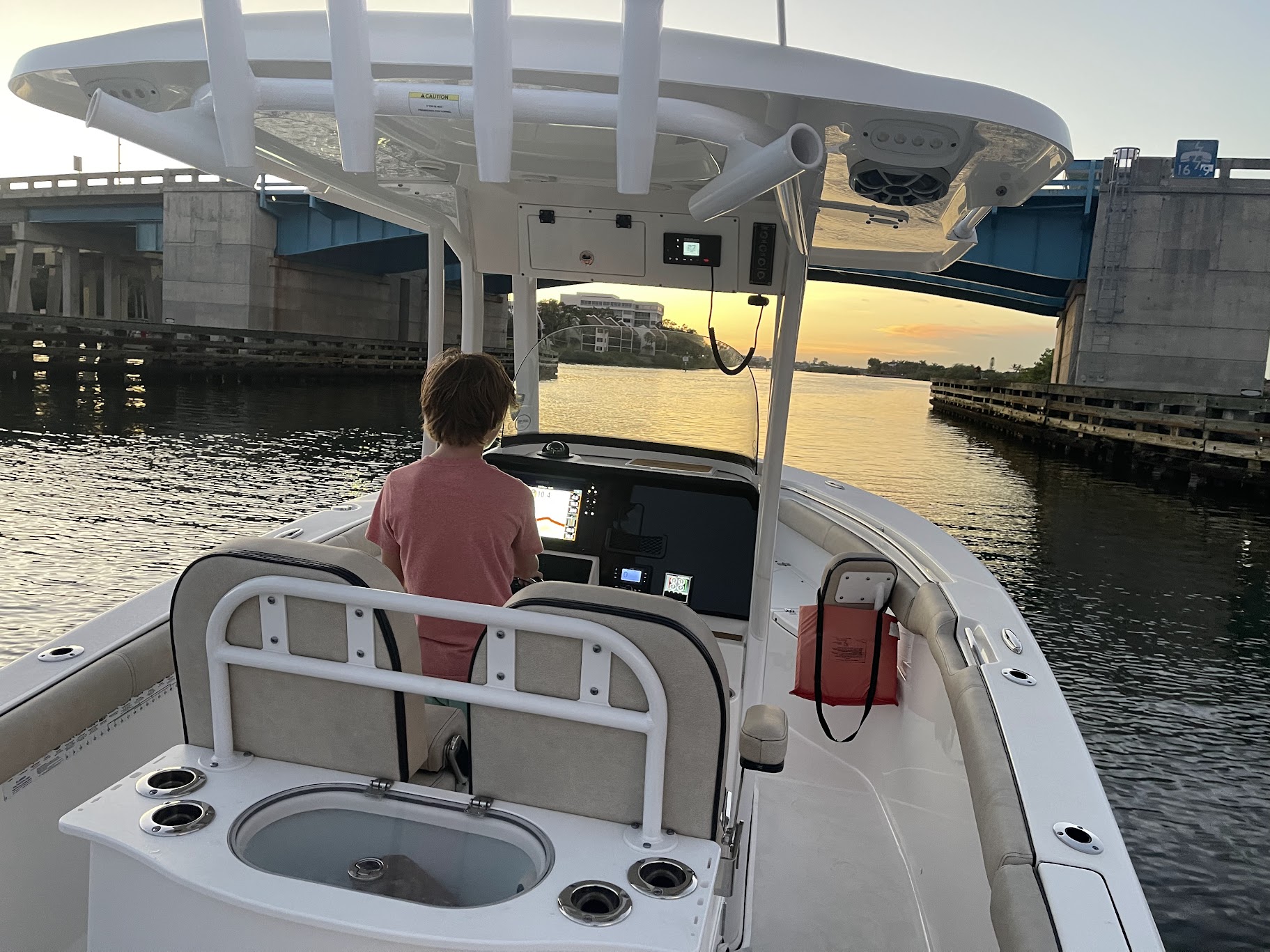
Southwest Florida—from the pristine beaches of Naples to the bustling waters of Fort Myers and the artistic marinas of Sarasota—is a boater’s paradise. With the high volume of traffic on the Caloosahatchee River, the Gulf of Mexico, and the intricate Intracoastal Waterway (ICW), safe operation is paramount.

For many, taking an approved boater safety course is not just a good idea—it’s the law.
Why Boater Safety Education is Essential
Before diving into how to get certified, it’s crucial to understand why this course is a necessity, especially in Florida, the “Boating Capital of the World.”
- It’s The Law: In Florida, anyone born on or after January 1, 1988, must complete an approved boater safety course and carry a Florida Boating Safety Education Identification Card (often called a “boating license”) to operate a motorized vessel of 10 horsepower or greater.1
- The Safety Factor: Over 70% of all boating accidents are attributed to human error.2 A course teaches you the Rules of the Road, proper navigation (especially in local waterways like the ICW), how to avoid collisions, and what to do in emergencies.3 It is directly linked to reducing accidents, injuries, and fatalities on the water.4
- Local Knowledge is Key: Southwest Florida waters have unique hazards, from shallow oyster beds and shifting sandbars to high-traffic areas and sensitive manatee zones. Local in-person courses often stress these regional specifics, which an online course may not emphasize.5
- Insurance Discounts: Many boat insurance companies offer a discount on your premium simply for completing a recognized safety course.6
How to Take a Boater Safety Course in Southwest Florida
Boaters in the region have both online convenience and the benefit of hands-on, local instruction. The Florida Fish and Wildlife Conservation Commission (FWC) accepts courses approved by the National Association of State Boating Law Administrators (NASBLA).7
1. The Flexible Online Option
This is the most popular route for those who need to complete the course at their own pace.
- Providers: Numerous FWC-approved online providers, such as Boat-Ed.com, Boaterexam.com, or courses offered by organizations like the BoatUS Foundation, allow you to sign up, study, and take the final exam entirely on a computer or mobile device.8 (The BoatUS Foundation notably offers a free, FWC-approved course.)9
- Process: After successfully passing the final exam, you can usually print a temporary certificate immediately.10 The permanent Boating Safety Education ID Card will be mailed to you later by the FWC.
2. Local, In-Person Classroom Courses
For many, learning in a classroom with a local instructor is the best way to grasp the material and ask specific questions about regional waterways.
- U.S. Coast Guard Auxiliary: The USCG Auxiliary, “America’s Volunteer Lifesavers,” is a prime resource.11
- Cape Coral/Fort Myers: Local Flotillas frequently offer the “Boat America” class, typically a one-day course (approx.12 8 hours) held monthly. Check local community centers, like the Pine Ridge Community Center in Fort Myers, for schedules.13
- Naples: The Naples Flotillas also regularly offer public boating courses and are great contacts for local instruction.14
- America’s Boating Club (U.S. Power Squadrons): Groups like the San Carlos Bay Sail & Power Squadron (Fort Myers Beach) offer comprehensive courses like “America’s Boating Course” that are tailored to the local waters and are taught by experienced local boaters.15
- Local Organizations: Centers like the Edison Sailing Center in Fort Myers often offer comprehensive Safe Powerboat Handling courses that include both classroom time and crucial on-the-water skills development, which goes a step further than just the written exam.16
Important Steps to Certification
- Verify the Requirement: Confirm you are required to have the card (born on or after Jan. 1, 1988, operating 10 HP+).17
- Choose a Course: Select an FWC-approved course—online or in-person.
- Study and Pass the Exam: Most courses require an $80\%$-or-higher score to pass.
- Receive Your Card: The course provider will submit your information to the FWC, which will then mail you your permanent, lifetime Boating Safety Education ID Card.18
By taking the time to get certified, you are not only complying with the law but ensuring that your days on the beautiful Gulf Coast waterways are as safe, informed, and enjoyable as possible.