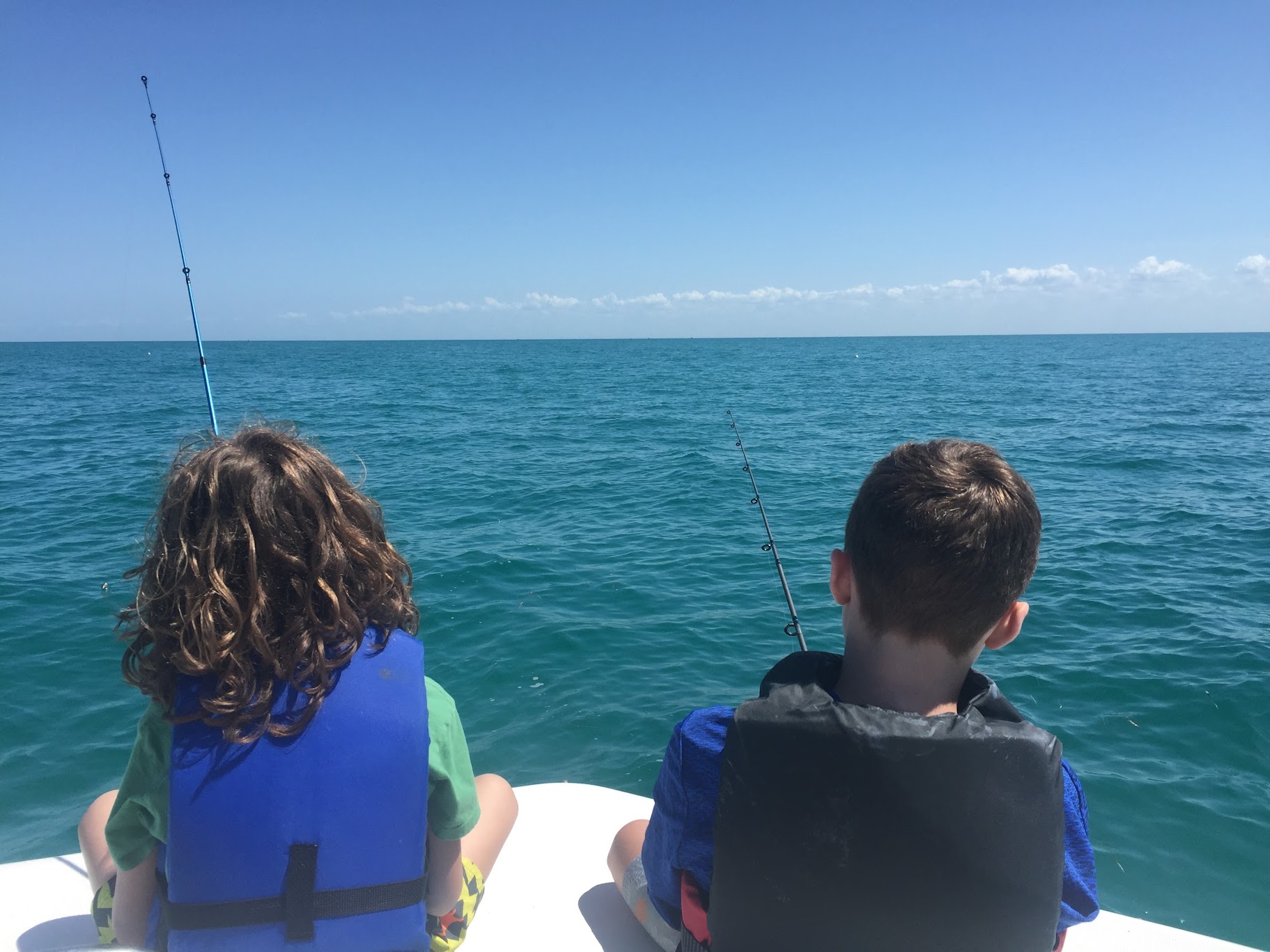
Southwest Florida offers a wealth of programs designed to move children away from screens and into the natural environment. If you are looking to introduce your child to fishing, these resources provide the necessary structure, education, and peer support to spark a lifelong passion for the outdoors, emphasizing ethics, conservation, and practical life skills.

Phase 1: Foundational Learning and Virtual Resources
Start your child’s journey with resources they can access immediately from home, building essential knowledge before the first cast.
International Game Fish Association (IGFA) Online Course
The IGFA, a global leader in ethical angling, provides a structured curriculum ideal for parents seeking a comprehensive educational starting point.
| Resource Feature | How This Resource Helps You |
| Delivery Mechanism | Free, self-paced, fully virtual course. Eliminates the need for immediate gear or travel, making the introduction stress-free and accessible. |
| Target Audience | Youth and Novice Anglers. Perfect for parents who may not have fishing experience themselves but want to ensure their child learns the right way. |
| Curriculum Focus | Covers Fish Biology, Habitats, Fundamental Techniques (knots, casting), and the tenets of Ethical Angling. |
| Utility for Parents | Provides a standardized, conservation-minded foundation that you can supervise from home, culminating in a Certificate of Recognition to build your child’s confidence. |
Phase 2: Hands-On Learning and Expert Mentorship
These government and non-profit programs specialize in taking classroom knowledge and applying it in a safe, supervised, and fun group setting.
FWC School Fishing Club Program
This program leverages the existing school structure to make fishing an accessible after-school activity.
| Resource Feature | How This Resource Helps You |
| Operational Scope | School-based programs located in middle and high schools across SWFL. |
| Participant Range | Students involved in a school club or competitive team. |
| Utility for Parents | Provides a supervised, reliable weekly activity with gear and curriculum provided by the FWC. The program seamlessly blends competitive fun with essential conservation learning. |
Florida Youth Conservation Centers Network (FYCCN)
A broad network that connects you with camps, clinics, and weekend events across the region.
| Resource Feature | How This Resource Helps You |
| Operational Scope | FYCCN partners with local organizations to host clinics, camps (day and residential), and workshops. |
| Participant Range | Varies by program, including opportunities for youth, families, and women. |
| Utility for Parents | Offers highly specialized, hands-on instruction (e.g., knot tying, casting clinics) delivered by FWC-trained educators, ensuring your child learns correct techniques and safety from experts. |
Export to Sheets
Take a Kid Fishing Inc.
This non-profit uses fishing trips as a vehicle for positive mentorship and emotional development.
| Resource Feature | How This Resource Helps You |
| Operational Scope | Focused on mentoring excursions in Central and Southwest Florida. |
| Target Audience | Youth-focused; often geared towards underprivileged or vulnerable children. |
| Utility for Parents | Provides positive role models for your child through angling. The program utilizes fishing to boost self-esteem and confidence in children who may benefit from focused individual attention. |
Phase 3: Hyper-Local Access and Consistent Practice
For continuous practice and community engagement, local clubs and municipal programs offer the most frequent and convenient opportunities.
Local Municipal and County Recreational Programs
Your local government often runs the most accessible and affordable seasonal programs.
| Resource Feature | How This Resource Helps You |
| Operational Scope | Camps and activities held at local county parks (e.g., Lee County, Collier County, Charlotte County). |
| Target Audience | Varies by camp; often focuses on younger age groups (e.g., 8–13). |
| Utility for Parents | Easy registration and convenient access to activities close to home. These camps often incorporate fishing alongside broader lessons in marine science and ecology. |
Export to Sheets
Specific Local Fishing Clubs and Teams
These specialized groups provide year-round activities and community. They are ideal for children ready to commit to the sport.
| Club/Program Name | Focus Area | How This Resource Helps You |
| Junior Bass Assassins | Fort Myers | Provides a structured environment for freshwater competition and skill mastery, connecting your child with peers who share the same passion. |
| Lee Virtual School Fishing and Outdoors Club | Lee County | Combines academic learning with on-the-water events, offering flexibility for virtual school students to participate in hands-on activities. |
| Englewood Fishing Club | Englewood/Charlotte County | Actively recognizes and rewards youth achievement through programs like the Children’s Fishing Awards, validating and celebrating your child’s early success. |
| SWFL Fishing Club | Regional Networking | While generally adult, this hub allows you to network and find experienced local anglers willing to mentor youth, opening doors to diverse inshore and offshore fishing experiences. |
A video from professional angler Mike Iaconelli offers key insights on how to make the initial fishing experience fun and successful for children.
The video, “How to Introduce Fishing to Kids with Mike Iaconelli,” provides simple, effective tips for parents:
- Prioritize Fun: Above all, the goal of the first trip is to make it fun. If the child gets bored, let them do something else, like exploring the banks or looking for bugs.
- Focus on Numbers Over Size: To keep kids engaged, it is crucial to maximize the number of fish caught, not the size. Target easy-to-catch species like sunfish or panfish, which are often found near docks or shorelines.
- Use Kid-Friendly Gear: Use simple, appropriate tackle. For young kids, a spin-cast (push-button) reel is often the easiest to learn and minimizes tangles.
- Use Live Bait: Simple live bait, like worms, is highly effective for catching fish quickly and consistently, which maintains the child’s interest.