
The Everglades is far more than a fortress for alligators; it is a living, breathing clock that ticks with the seasons. While the “permanent residents” provide a baseline of beauty, the true character of the “River of Grass” is defined by the Atlantic Flyway—a massive aerial highway that brings hundreds of thousands of visitors through Florida every year.
With over 360 recorded species, the park is a global pilgrimage site for birders. The diversity here isn’t just about geography; it’s about the water cycle. During the dry season (November–April), dropping water levels concentrate fish into shallow pools, creating a “cafeteria effect” for wading birds. When the rains return in the summer, the birds disperse across the flooded landscape, and the winter guests begin their long journeys north.
Here is a closer look at the iconic birds that define the Everglades, from the year-rounders to the seasonal heavyweights.
The Year-Round Icons
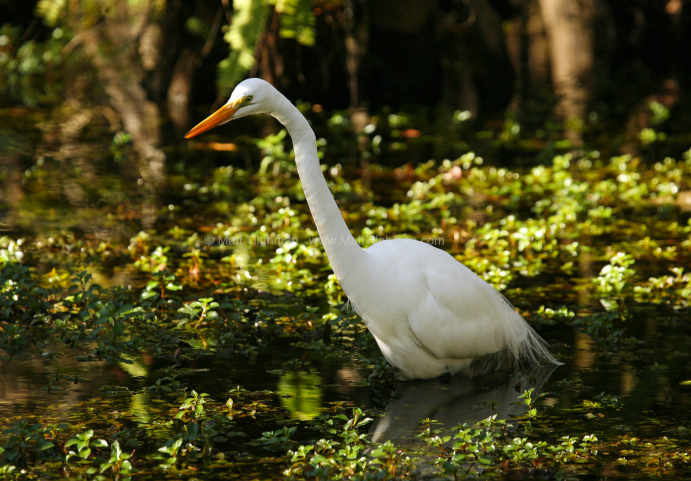
1. Great Egret The ultimate comeback story. In the late 19th century, these birds were nearly hunted to extinction because their elegant plumes were the “must-have” accessory for high-fashion hats. Thanks to early conservationists, they’ve made a spectacular recovery. They are easily spotted: large, snowy white, and possessing a regal, statue-like patience.
2. Anhinga Often called the “snake bird,” the Anhinga is a master of stealth. They swim with their bodies submerged, leaving only their long, S-shaped necks poking above the water. Because they lack waterproof oils, you’ll frequently see them perched on branches with their wings spread wide, “downloading” the Florida sunshine to dry off.
3. Wood Stork The only stork that breeds in North America, this species has a prehistoric look that reminds us how ancient this ecosystem truly is. While their status was recently upgraded from “endangered” to “threatened,” habitat loss in the Everglades has forced many to move north. They remain a vital indicator species for the health of our wetlands.
4. Roseate Spoonbill If you see a flash of neon pink through the mangroves, it’s likely a Spoonbill. They get their vibrant hue from the crustaceans they eat. Their spatula-shaped bill is a highly specialized tool, which they sweep back and forth through the muck to find a meal. They are living proof that nature isn’t afraid of a bold color palette.
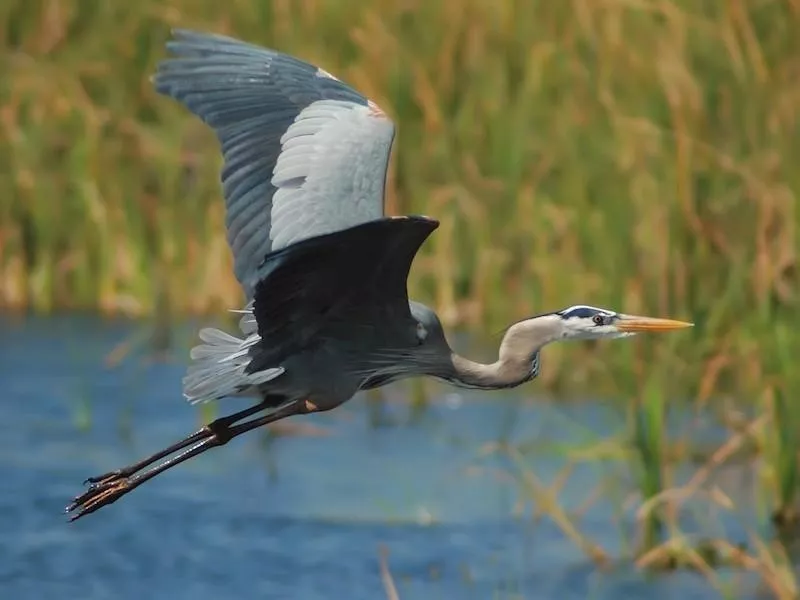
5. Great Blue Heron The undisputed heavyweight champion of the shallows. Standing nearly four feet tall, they can remain motionless for hours before striking with lightning speed. Despite their commanding presence, they are incredibly light—weighing only about five or six pounds—thanks to their hollow bones.
The Seasonal Power Players
6. American White Pelican (The Winter Heavyweights) Arriving between November and March, these are not your average pier-dwelling pelicans. Unlike the local Brown Pelicans that “plunge-dive,” White Pelicans are cooperative hunters. They form lines or circles on the water’s surface, beating their wings to herd fish into the shallows where they can be scooped up in a coordinated strike. Their arrival in the thousands can change the energy of a lake or bay overnight.
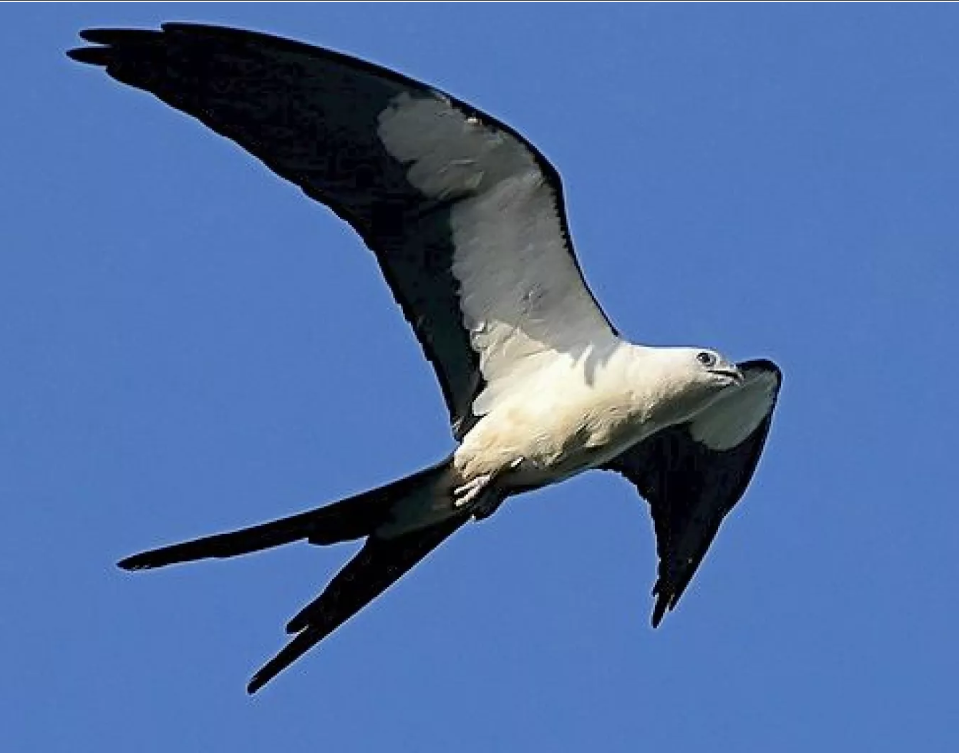
7. Swallow-tailed Kite (The Summer Acrobat) While others head north for the winter, the Swallow-tailed Kite arrives from South America in late February to signal the coming of spring. With stark white bodies and deeply forked black tails, they are arguably the most graceful fliers in the sky. By August, they gather in massive communal roosts—sometimes numbering in the thousands—to fuel up on insects before their incredible trans-continental flight back south.
Why It Matters
Seeing these birds in the wild—whether it’s at a local gem like the Wakodahatchee Wetlands or deep in the heart of the Park—is a grounding experience. The Everglades is a massive, living machine that supports life in its most beautiful and diverse forms. It is a landscape that never looks the same twice, and it is undeniably a place worth fighting for.
What’s the most memorable bird encounter you’ve had while out on the water?