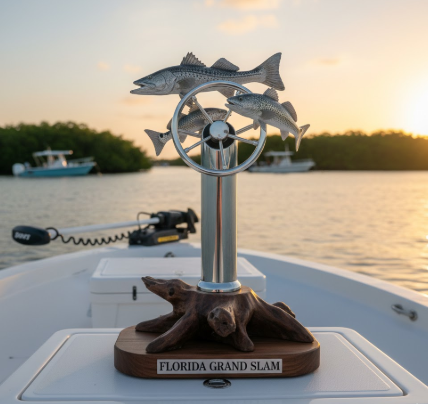

For many anglers, the “Florida Grand Slam” represents the pinnacle of inshore fishing achievement. It’s not just about catching big fish; it’s about skill, adaptability, and intimately understanding the diverse ecosystems of Florida’s estuaries. While variations exist, the generally accepted Florida Grand Slam involves landing three iconic inshore species in a single day: Snook, Redfish, and Spotted Sea Trout.

These three species are not only beautiful and powerful but also share similar habitats, making the Grand Slam a challenging yet attainable goal for dedicated anglers.
The Grand Slam Species: Your Trio of Targets
Each species in the Florida Grand Slam presents its own unique challenge and charm.
1. Snook (Centropomus undecimalis)
- The Fighter: Known for their explosive strikes, acrobatic jumps, and powerful runs, snook are revered sport fish. Their distinctive lateral line, often referred to as a “black line,” is a key identifier.
- Habitat: Snook are highly sensitive to cold and prefer warmer, brackish waters. You’ll find them around mangrove shorelines, oyster bars, deep channels, bridge pilings, and even far up freshwater rivers and canals during cooler months. They often ambush prey from structure.
- Best Baits/Lures: Live pilchards, sardines, shrimp, mullet. Artificials include topwater plugs, soft plastic jerkbaits, paddle tails, and shallow-diving hard baits.
- Southwest Florida Specifics: Snook are abundant in the extensive mangrove systems of Charlotte Harbor, Pine Island Sound, and the Ten Thousand Islands.
2. Redfish (Sciaenops ocellatus)
- The Brawler: Characterized by their bronze coloration and signature “eyespots” on their tails, redfish are powerful bottom feeders known for strong, bulldogging runs.
- Habitat: Redfish are incredibly adaptable and can be found in a wide range of estuarine environments. They frequent shallow grass flats, oyster bars, mangrove edges, tidal creeks, and even muddy bottom areas. They often “tail” in super shallow water as they feed with their heads down.
- Best Baits/Lures: Live or cut bait (mullet, pinfish, ladyfish), shrimp, crabs. Artificials like weedless soft plastics (paddletails, jerkbaits), spoons, and popping cork setups with jigs.
- Southwest Florida Specifics: SWFL’s vast shallow grass flats and mangrove shorelines are prime redfish territory, especially in areas like the Caloosahatchee River estuary and Charlotte Harbor.
3. Spotted Sea Trout (Cynoscion nebulosus)
- The “Gator”: While often smaller than snook or redfish, large “Gator Trout” (often over 20 inches) are highly prized for their striking iridescent coloration and aggressive strikes.
- Habitat: Trout prefer sandy or grassy bottoms in estuaries, often congregating in potholes or along the edges of grass flats. They are ambush predators, often holding near structure or depth changes.
- Best Baits/Lures: Live shrimp, pilchards, pinfish. Artificials like soft plastic paddletails (especially under a popping cork), MirrOlures, and topwater plugs (especially at dawn/dusk).
- Southwest Florida Specifics: The extensive seagrass beds of Pine Island Sound, Sarasota Bay, and the flats around Port Charlotte are prime sea trout habitat.
Who Has Achieved the Grand Slam?
The Florida Grand Slam is a common achievement for many experienced inshore guides and passionate recreational anglers who spend significant time on the water. It’s not a formal “award” with a central registry, but rather a personal accomplishment and a badge of honor among the fishing community.
Many charter captains in Southwest Florida routinely put their clients on Grand Slams, especially during peak seasons when all three species are active. It’s a testament to their local knowledge and skill in navigating the diverse habitats.
Pursuing the Grand Slam in Southwest Florida
Southwest Florida (SWFL) is arguably one of the best regions in the state to achieve an inshore Grand Slam due to its vast, interconnected estuarine systems.
1. Ideal Locations
- Charlotte Harbor & Pine Island Sound: This massive system is a mecca for all three species. Its diverse habitats – expansive grass flats, intricate mangrove shorelines, deep channels, and numerous oyster bars – provide perfect hunting grounds.
- Sarasota Bay: North of Charlotte Harbor, Sarasota Bay offers excellent opportunities, particularly for Redfish and Trout on its extensive flats.
- Ten Thousand Islands (South of Naples): For a more remote and wild experience, the labyrinthine mangroves of the Ten Thousand Islands hold abundant snook, redfish, and trout.
2. Best Time of Year
- Spring (March-May) & Fall (October-November): These are generally considered the prime seasons. Water temperatures are ideal, baitfish are abundant, and all three species are actively feeding and moving throughout the estuaries.
- Summer: While possible, the intense heat can make fishing challenging, and afternoon thunderstorms are common.
- Winter: Can be very productive if you know where the fish are holding, especially for snook in deeper, warmer pockets. However, cold fronts can shut down the bite.
3. Strategic Approach for Southwest Florida
- Hire a Local Guide: For your best chance, especially if you’re not intimately familiar with the area, hire an experienced inshore fishing charter captain. They live and breathe these waters and know precisely where the fish will be based on tides, temperature, and recent conditions.
- Early Bird Gets the Slam: Start early, ideally at dawn. This is often the best time for topwater action (trout, snook) and for finding actively feeding fish before boat traffic picks up.
- Target Diverse Habitats:
- Start with Flats: Many anglers target Spotted Sea Trout first on expansive grass flats, often using a popping cork with a jig or live shrimp, or working soft plastics. Redfish are also often found here.
- Move to Mangrove Edges/Oyster Bars: Once you’ve secured a trout, transition to mangrove shorelines, oyster bars, and shallower creek mouths for Redfish and Snook. Work lures or live bait close to structure.
- Deep Pockets/Structure: If snook are proving elusive, target deeper channels, bridge pilings, or residential canals, especially during cooler periods.
- Observe Conditions: Pay close attention to water clarity, tide movement, and bait presence. These factors dictate where the fish will be holding and feeding.
- Be Prepared for Anything: Have multiple rod setups ready for different techniques. A general setup might include:
- A medium-light rod for trout (popping corks, light jigs).
- A medium-heavy rod for snook/redfish (lures, live bait).
- Use appropriate fluorocarbon leaders to prevent break-offs.
Achieving the Florida Grand Slam is a memorable experience that connects you deeply with the rich inshore fisheries of the Sunshine State. With a bit of planning, local knowledge, and perseverance, you too can join the ranks of anglers who have accomplished this coveted fishing feat.