

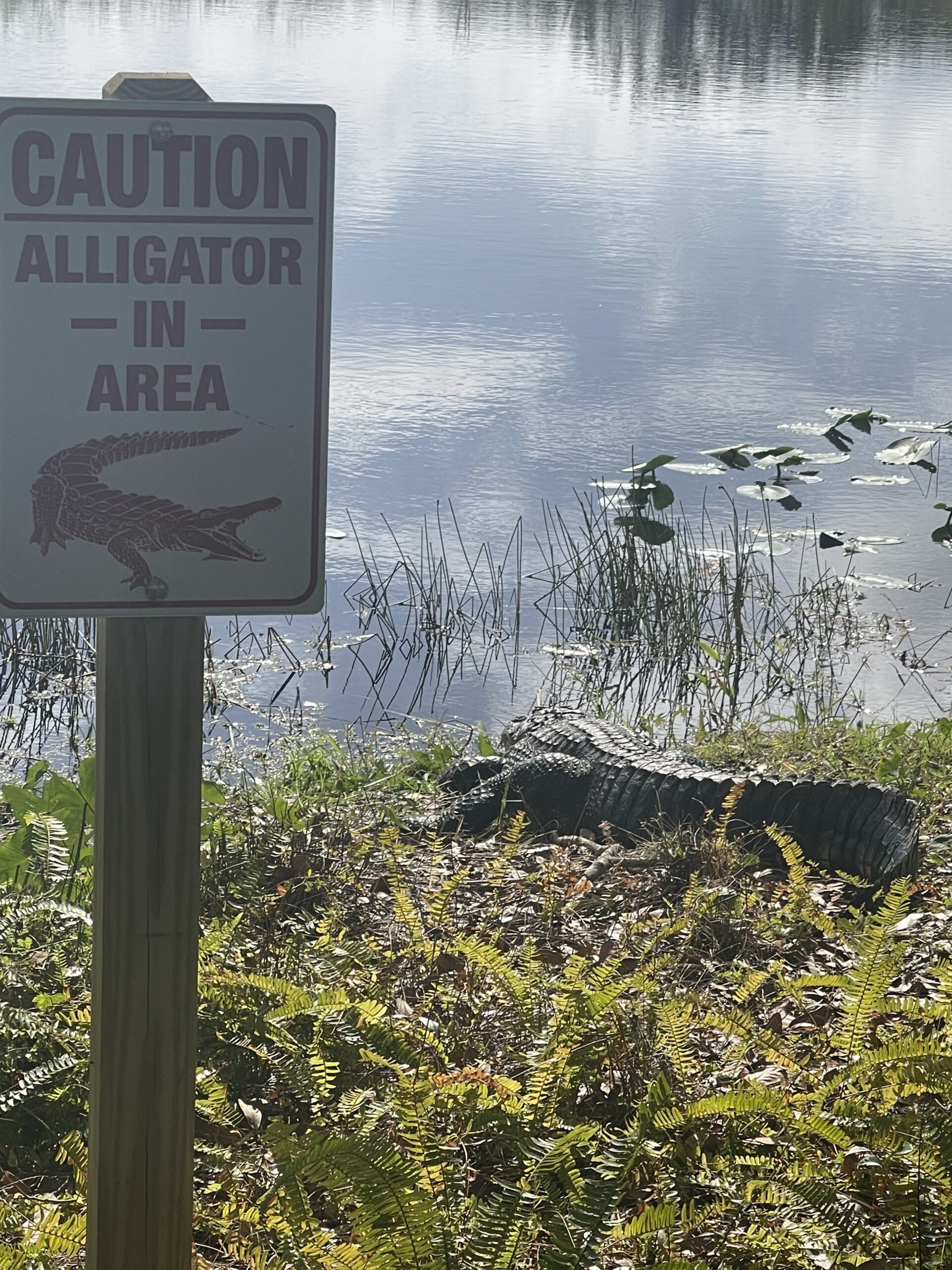

Alligators Vital Roll to Southwest Florida and the Everglades
Often viewed as a fearsome apex predator, the American Alligator (Alligator mississippiensis) is, in fact, an essential architect of the Southwest Florida ecosystem, particularly the vast and unique Everglades. Far from being just a tourist attraction or a creature to avoid, the alligator plays a critical, life-sustaining role that benefits countless other species, earning its title as a keystone species and an ecosystem engineer.

Here is a closer look at the profound benefits alligators bring to this remarkable corner of the world:
Ecosystem Engineers: The Lifesaving “Gator Holes”
Perhaps the most significant contribution alligators make is their ability to physically shape their environment. Using their powerful snouts and claws, alligators dig depressions in the earth, often down to the limestone bedrock, which are commonly known as gator holes.
- Refuge During Drought: In Southwest Florida’s intense dry season, when water levels drop drastically, these gator holes become critical, water-filled refuges. They provide a vital, last-resort habitat for fish, amphibians, insects, turtles, and even deer, who are all drawn to the life-sustaining water.
- Sustaining Biodiversity: By creating these aquatic havens, alligators ensure the survival of countless organisms. The fish that make it through the dry season in a gator hole are the source of the next season’s population, maintaining the entire food web.
- Nutrient Cycling and Water Health: Research shows that alligators actively maintain these holes by moving sediment and adding nutrients through their movement and waste. This disturbance prevents stagnation and recycles nutrients, supporting the growth of algae—the base of the food chain—and promoting overall water quality.
Guardians of the Nests: The Unlikely Alliance
Alligators have an unusual and beneficial relationship with wading bird colonies, such as herons, egrets, and wood storks, which often choose to nest in trees situated over water occupied by alligators.
- Predator Control: The presence of a large alligator beneath a nesting colony acts as a formidable deterrent to mammalian nest predators like raccoons and opossums. These smaller predators are much less likely to cross alligator-occupied waters to raid the nests.
- A Healthier Ecosystem for Alligators: The occasional chick that falls from a nest provides a high-calorie meal for the alligator, leading to healthier, larger alligators near colonies. This “uneasy alliance” is a powerful example of a mutually beneficial relationship in the wild.
Apex Predators: Maintaining Ecological Balance
As the top predator in the Everglades, the American Alligator plays a crucial role in maintaining the food web and the overall health of the ecosystem.
- Population Regulation: Alligators help control the populations of their prey, which includes gar and other predatory fish. By keeping these populations in check, they prevent the over-predation of smaller, ecologically important fish like bass and bream, thus maintaining the balance of fish populations in the marsh.
- Indicator Species: A thriving alligator population is a strong indicator of a healthy, productive Everglades environment. Because they are sensitive to changes in water quality, depth, and salinity, scientists monitor alligator health, abundance, and nesting success as a vital tool to measure the success of Everglades restoration efforts.
The story of the American Alligator is a profound reminder that in nature, even the most formidable creatures serve a greater purpose. From digging the holes that save lives in a drought to controlling prey and protecting bird nests, the alligator is a tireless, four-legged custodian of Southwest Florida’s vast wetlands. Conservation of this iconic species is not just about protecting a single reptile; it is about preserving the very ecological foundation of the incomparable Everglades.
You can learn more about how alligators act as “engineers” of the wetlands in this video: Everglades National Park – What do Alligators Contribute to the Ecosystem?. This video explains how alligators help the Everglades ecosystem by creating and maintaining habitats for other animals.
You can learn more about how alligators act as “engineers” by by creating and maintaining habitats for other animals of the wetlands in this video: Everglades National Park – What do Alligators Contribute to the Ecosystem?.