
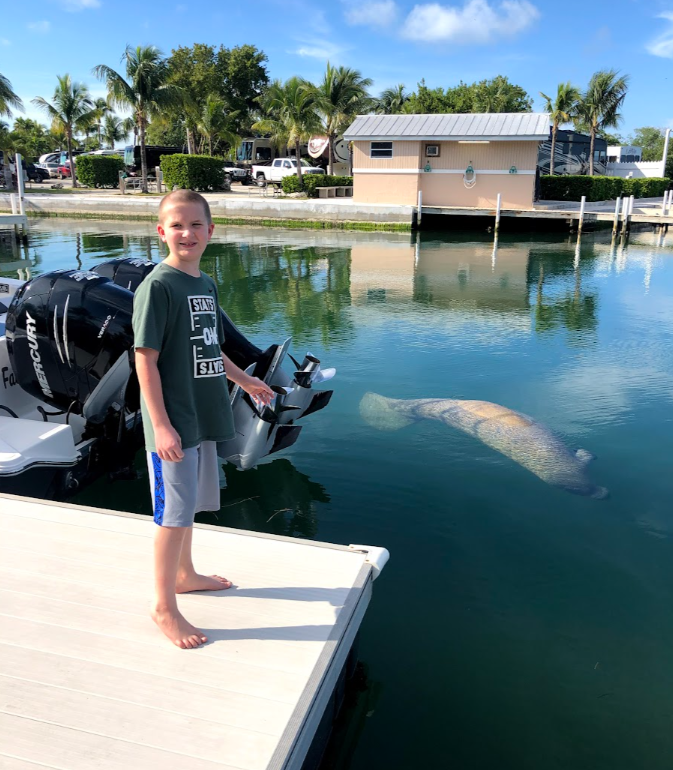
As the Gulf waters warm and the winter huddles at power plants begin to break up, Southwest Florida enters one of its most exciting ecological windows: the Spring Manatee Migration.
In the spring—typically from late March through May—Florida’s manatees transition from their winter “hibernation” mode into a period of high activity. They are leaving their warm-water refuges and heading back into the estuaries, seagrass beds, and coastal bays to feed and mate. For those of us on the water, this means more sightings, more movement, and a front-row seat to the lives of these “sea cows.”
The Spring Shift: From Huddling to Roaming
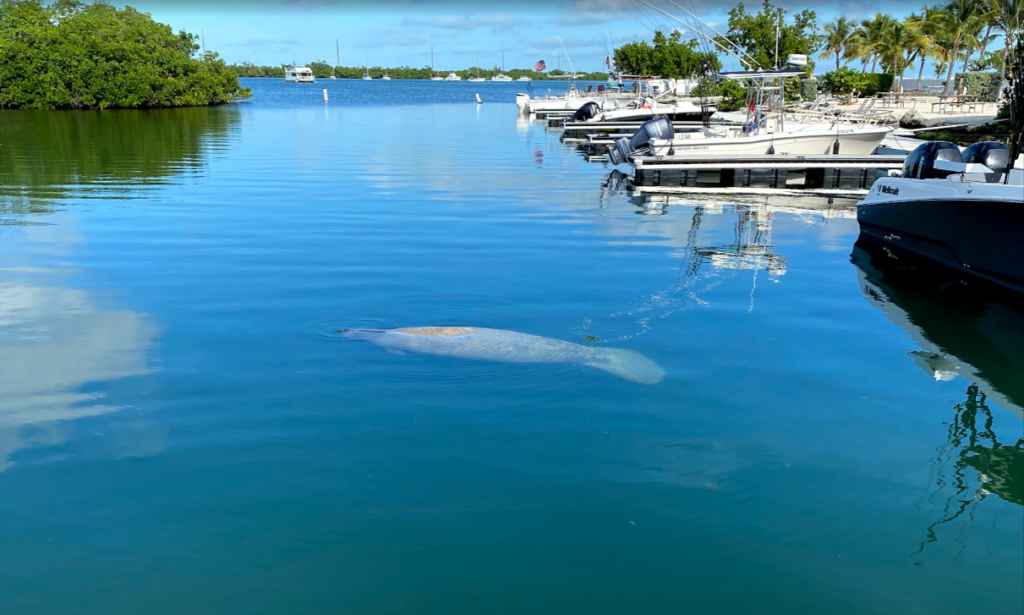
During the winter, manatees are “trapped” by cold water (below $68°F$) and must stay near constant heat sources like natural springs or power plant outfalls. As temperatures rise in the spring, they undergo a massive dispersal. You won’t see 300 manatees in a single canal anymore; instead, you’ll see them in pairs or small groups traveling through the Intracoastal Waterway and hanging out in shallow mangrove tunnels.
Where to View: Top Southwest Florida Locations
1. Fort Myers: The Orange River & Caloosahatchee
While Manatee Park is the winter HQ, the spring is the best time to catch them as they exit the Orange River and move into the broader Caloosahatchee.
- The Vibe: High activity. You’ll see them transitioning from the fresh water of the river toward the saltier coastal areas.
- Best Access: Kayak launches along the Orange River or the Caloosahatchee Regional Park.
2. Sarasota: Lido Key & Sarasota Bay
Sarasota is a spring hotspot, specifically the Lido Key Mangrove Tunnels. As the manatees disperse, they seek out the protection and food found in the shallow, nutrient-rich mangroves.
- The Vibe: Peaceful and intimate. Seeing a manatee in the clear, shallow water of the tunnels is a bucket-list experience.
- Specific Spots: Ted Sperling Park at South Lido Beach is the primary launch point for these sightings.
3. Bradenton: The Manatee River & Palma Sola Bay
True to its name, the Manatee River sees significant traffic during the spring. Palma Sola Bay is also a favored stop for manatees looking for seagrass.
- The Vibe: Coastal and scenic. Keep an eye out for “manatee swirls”—the circular footprints they leave on the surface when they dive.
Who Can Get You There: Local Outfitters
If you don’t have your own vessel, these local experts specialize in eco-friendly, respectful viewing.
| City | Outfitter | Specialty |
| Fort Myers | Manatee Kayaking Company | Guided tours on the Orange River; perfect for the transition season. |
| Sarasota | Sea Life Kayak Adventures | Experts in the Lido Key Mangrove Tunnels where manatees love to rest. |
| Longboat Key | Happy Paddler Kayak Tours | Operates between Anna Maria and Longboat, a major wildlife travel corridor. |
| Naples | Finseeker Guided Adventures | Focuses on the remote backwaters where manatees feed in the spring. |
Important Resources & Ethics
Manatees are protected under the Marine Mammal Protection Act. In the spring, they are often hungry and active, making it even more important to practice Passive Observation.
- Florida Fish and Wildlife (FWC): Manatee Viewing Guidelines – The “Gold Standard” for how to behave on the water.
- Save the Manatee Club: Manatee Migration Tracker – A great resource for seeing where tagged manatees are currently moving.
- Mote Marine Laboratory: Stranding & Sightings – Based in Sarasota, they are the go-to for reporting injured wildlife.
Quick Tips for Spring Sightings:
- Wear Polarized Sunglasses: This is the only way to cut the glare and see them beneath the surface.
- Look for the “Footprint”: A smooth, circular patch of water is usually the first sign a manatee is nearby.
- Engine Off: If you are in a motorized boat and see a manatee, cut the engine and let them pass.
Whether you’re paddling through the mangroves of Sarasota or watching the Caloosahatchee current, the spring migration is a reminder of why the Southwest Florida outdoors is so uniquely special. Happy spotting!
