
Birdwatching in Sarasota and Lee County, Florida
Southwest Florida is globally recognized as an unparalleled birdwatching destination. The unique convergence of barrier islands, mangrove estuaries, freshwater marshes, and coastal scrub creates a dynamic habitat that supports both permanent residents and thousands of migratory visitors. Whether you’re a seasoned “lister” or a casual nature observer, the skies and swamps of Sarasota and Lee County offer spectacular feathered sights.

Sarasota County: Where Wetlands Meet the Coast
Sarasota’s diverse preserves and parks are sanctuaries for an impressive variety of birdlife. The county is famous for its flood mitigation areas turned into birding paradises.
Sarasota’s Signature Birds
- Roseate Spoonbill: Perhaps the most iconic bird in the region, this stunning pink wader uses its unique bill to sweep through shallow water for small fish and invertebrates. Sarasota’s wetlands offer prime viewing spots for these living jewels.
- Florida Scrub-Jay: A threatened species and Florida’s only endemic bird, the Scrub-Jay is non-migratory and intensely curious. Finding this intelligent, blue-and-gray bird is a huge win for any birdwatcher.
- Limpkin: An unusual, mottled brown wader known for its distinct, wailing call. It has a specialized diet, feeding almost exclusively on apple snails, making it common around freshwater marshes and sloughs.
- Black-Bellied Whistling Duck: Distinguished by its bright red bill and long legs, this duck is often seen perched in trees near water, whistling its distinctive call rather than quacking.
Top Birding Hotspots in Sarasota
| Location | Habitat & Unique Sighting Opportunities |
| The Celery Fields | A converted agricultural area turned freshwater marsh, renowned for wintering ducks, raptors like the Crested Caracara, and large flocks of wading birds. |
| Myakka River State Park | One of Florida’s largest state parks, featuring an iconic birdwalk over Upper Myakka Lake, offering spectacular views of Wood Storks, spoonbills, and alligators. |
| Oscar Scherer State Park | Critical habitat for the Florida Scrub-Jay, offering trails through pine flatwoods and coastal scrub. |
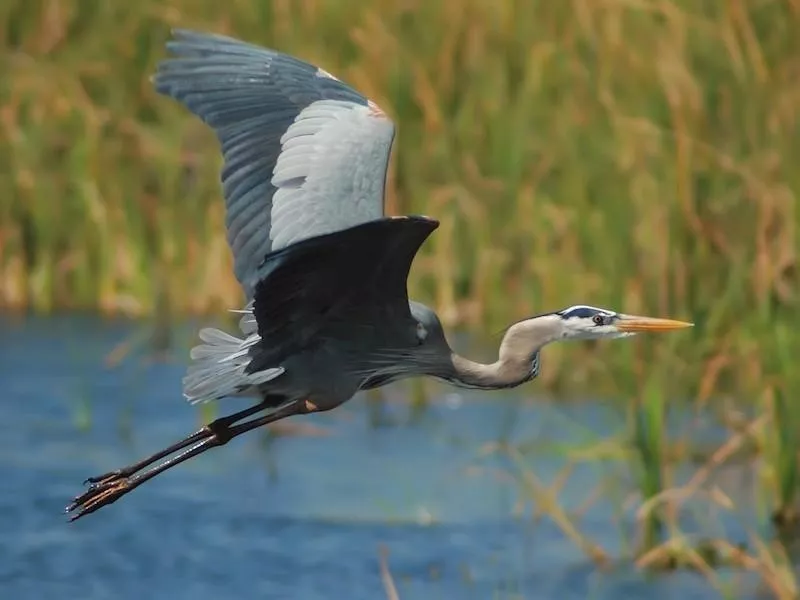
| Venice Area Audubon Rookery | A small but intensely active nesting area where you can observe Great Egrets, Snowy Egrets, and Great Blue Herons during breeding season. |
Lee County: Coastal Refuges and Rare Finds
Lee County, home to Fort Myers, Cape Coral, and the barrier islands of Sanibel and Captiva, is defined by its extensive mangrove forests and famous wildlife refuges. These areas are vital stops on the Atlantic Flyway migration route.
Lee County’s Unique Avian Treasures
- Burrowing Owl: A small, charismatic owl that nests and roosts underground in open, dry areas, often near human development in places like Cape Coral. Spotting these tiny raptors standing sentinel by their burrows is a delight.
- Reddish Egret: Known for its playful, dizzying dance, this heron species actively chases fish by running and leaping through the water, often “shading” the water with its wings to improve visibility. It’s often spotted on the mudflats of Sanibel.
- Magnificent Frigatebird: With a massive wingspan and a deeply forked tail, this pirate of the sea soars high above the coastline, rarely landing on water. Males are instantly recognizable during mating season by their inflated, bright red throat pouches.
- American White Pelican: Unlike the Brown Pelican, this huge bird doesn’t dive. It migrates south for the winter, gathering in large, majestic flocks to fish by cooperatively herding their prey.
Key Birding Hotspots in Lee County
| Location | Habitat & Unique Sighting Opportunities |
| J.N. “Ding” Darling National Wildlife Refuge (Sanibel Island) | Internationally famous for its 4-mile Wildlife Drive, providing world-class viewing of Roseate Spoonbills, pelicans, and wading birds in the managed impoundments. |
| Audubon’s Corkscrew Swamp Sanctuary | Protects the largest remaining stand of old-growth Bald Cypress forest, offering a boardwalk trail where you can see Wood Storks, warblers, and maybe a rare Painted Bunting during migration. |
| Six Mile Cypress Slough Preserve | A wetland ecosystem with a boardwalk that offers close-up views of herons, egrets, and the Anhinga (or ‘snake bird’) as it dries its wings in the sun. |
| Bunche Beach Preserve | Excellent mudflats at low tide for viewing a massive variety of shorebirds and waders, including Reddish Egrets and Black Skimmers. |
Birding Essentials for Southwest Florida
- Time it Right: Winter and spring are the best times for birdwatching. Winter brings a huge influx of migratory species (ducks, raptors, and many songbirds), and spring brings the nesting season for the wading birds.
- Bring Optics: Quality binoculars are essential. A spotting scope is a great addition for identifying distant shorebirds and ducks on open water.
- Use the Tide: For coastal birding (especially in Lee County), low tide exposes the mudflats, concentrating the feeding activity of shorebirds and waders.
- Be Prepared: Bring water, sunscreen, and insect repellent. Respect all wildlife and stay on marked trails and boardwalks.
Grab your field guide and binoculars—Southwest Florida’s unique feathered residents and seasonal visitors are waiting to put on a show!