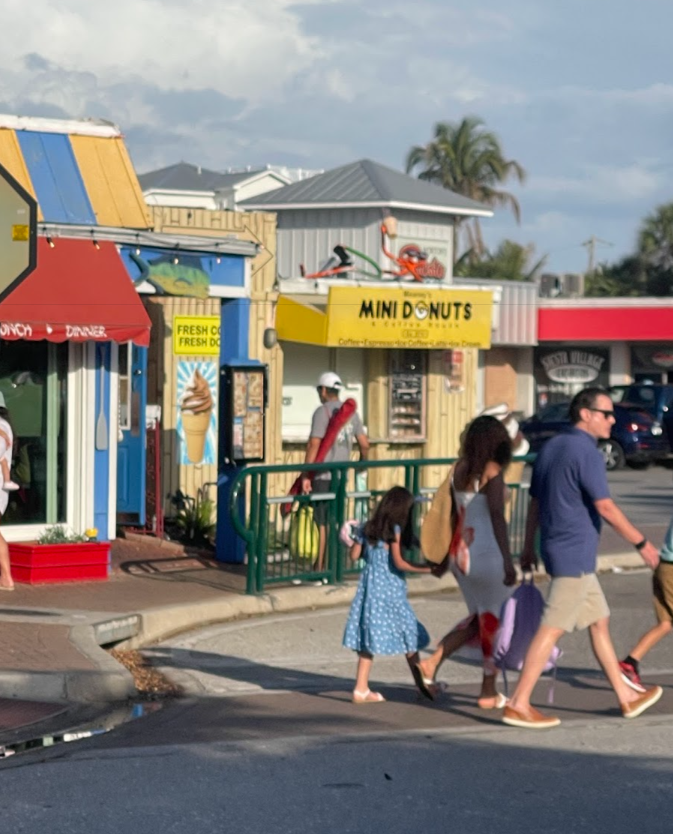
Southwest Florida has always been a magnet for those seeking sun, sand, and a slower pace of life. However, as we move through 2026, the region is witnessing a fundamental shift in how visitors interact with our communities. The post-hurricane recovery era has transitioned into a “new normal”—one defined not just by a return to high visitor numbers, but by a shift in the type of traveler arriving on our shores.
From the quiet preserves of Charlotte County to the upscale corridors of Naples, here is how these shifting tides are affecting the people and businesses that call this region home.
Impact on Residents: The Balancing Act
For residents, the relationship with tourism is increasingly a “double-edged sword.” While tax revenues from tourism reached record highs in early 2026—funding critical infrastructure and beach restoration—the daily reality of living in a premier destination is changing.
- The Short-Term Rental Pressure: The continued rise of short-term vacation rentals (STVs) remains a focal point. While they provide income for property owners, they have tightened the long-term rental market, making it harder for local service workers to find affordable housing near their jobs.
- Infrastructure & Traffic: With domestic travel accounting for over 90% of our visitors, most tourists are arriving by car. This has led to year-round traffic patterns that were once only seen during “Peak Season.” However, the silver lining is the surge in Tourist Development Tax (Bed Tax) collections, which are being funneled into improving local parks, roads, and environmental resilience projects.
- A Shift to Quality Over Quantity: Many local municipalities are moving away from “mass tourism” in favor of “high-value” visitors. For residents, this can mean less-crowded public spaces and a focus on preserving the natural beauty that makes SWFL unique, rather than over-developing for high-density crowds.
Impact on Businesses: From Survival to Strategy
For the Southwest Florida business owner, 2026 is the year of “The Great Reset.” The frantic post-pandemic boom has cooled into a more disciplined, competitive market.
- The “Bleisure” Boom: Businesses are increasingly catering to the “workation” crowd—travelers who stay longer and blend business with leisure. Restaurants and cafes are adapting by offering high-speed Wi-Fi and quiet corners, while hotels are shifting toward suite-style rooms with co-working amenities.
- Labor & Operational Efficiency: While the labor market has stabilized slightly, wage pressure remains high. Successful businesses are turning to technology—such as AI-driven booking systems and contactless service—to maintain margins without sacrificing the “Old Florida” hospitality that visitors crave.
- Niche Marketing: The days of simply opening your doors and waiting for tourists are gone. Businesses in the culinary, outdoor, and retail sectors are finding success by leaning into niche, authentic experiences—like eco-tours, farm-to-table dining, and hyper-local boutique offerings.
Top Trends to Watch in 2026 and Beyond
As we look toward the future, these three trends will likely define the Southwest Florida experience:
1. The Rise of “Eco-Authenticity”
Travelers are increasingly seeking “real” experiences over manicured resorts. Expect a surge in interest for kayaking the Great Calusa Blueway, birdwatching in the Everglades, and visiting small-scale farmers’ markets. Businesses that can prove their environmental stewardship will have a significant competitive edge.
2. The Professionalization of Vacation Rentals
The “amateur” era of Airbnb is fading. In 2026, we are seeing a shift toward professionally managed short-term rentals that offer hotel-like standards of cleanliness and tech-driven check-ins. This trend is helping to mitigate some of the “friction” between tourists and permanent residents in residential neighborhoods.
3. Increased International Diversity
While the “Snowbird” from Canada and the Midwest remains a staple, SWFL is seeing a rapid increase in visitors from Latin America (specifically Brazil and Colombia) and Europe. Local businesses are beginning to adapt their marketing and services to cater to these multi-lingual, high-spending demographics.
The Bottom Line: Southwest Florida is no longer just a seasonal getaway; it has matured into a sophisticated, year-round destination. For residents and businesses alike, the key to thriving in this new landscape is flexibility. By prioritizing quality, sustainability, and community balance, SWFL can ensure that its tourism success doesn’t come at the expense of its soul.