Buying a cabin in the Everglades is less about traditional real estate and more about securing a rare seat at the edge of the world. Known as the “River of Grass,” this $1.5$ million-acre subtropical wilderness is one of the most unique ecosystems on the planet. For those looking to trade the hum of a refrigerator for the rhythmic call of a limpkin, owning property here is a pursuit of pure, unfiltered Florida.
The Logistics: Inholdings and Adjacent Acres
Purchasing a cabin within the Everglades is a unique legal challenge. Most of the land is federally or state-protected, but there are two primary ways to find a “cabin” in this region:
- Wilderness Inholdings: These are small, privately owned parcels that existed before the National Park or Big Cypress National Preserve were established. They are surrounded by federal land and are rarely for sale. When they are, they often come with complex “Right of Way” access issues and strict environmental regulations.
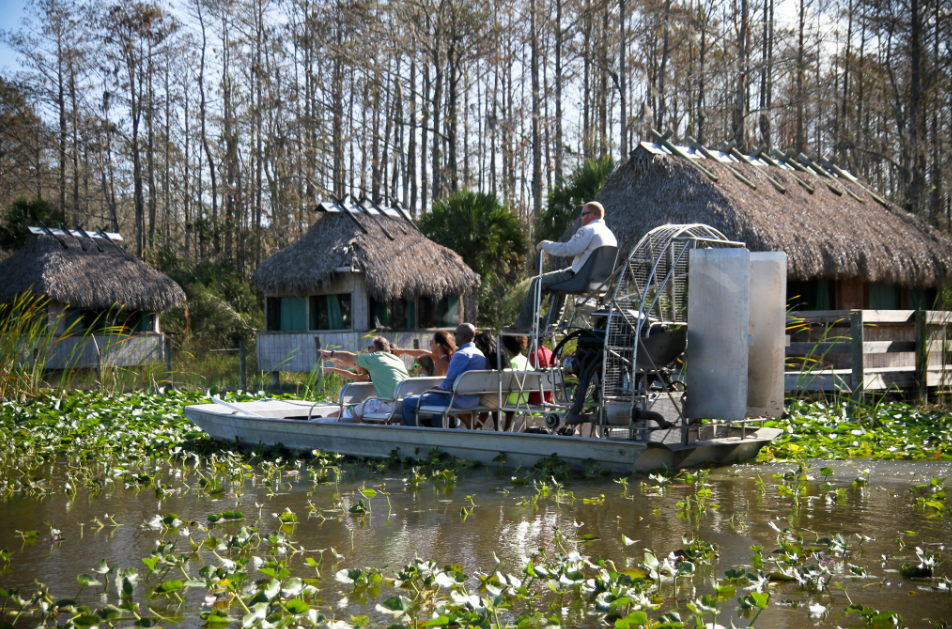
- Gateway Communities: Most “Everglades cabins” are found in adjacent private areas like Everglades City, Chokoloskee, or the outskirts of Ochopee. These areas offer the same proximity to the wilderness but with clearer title and easier access to utilities.
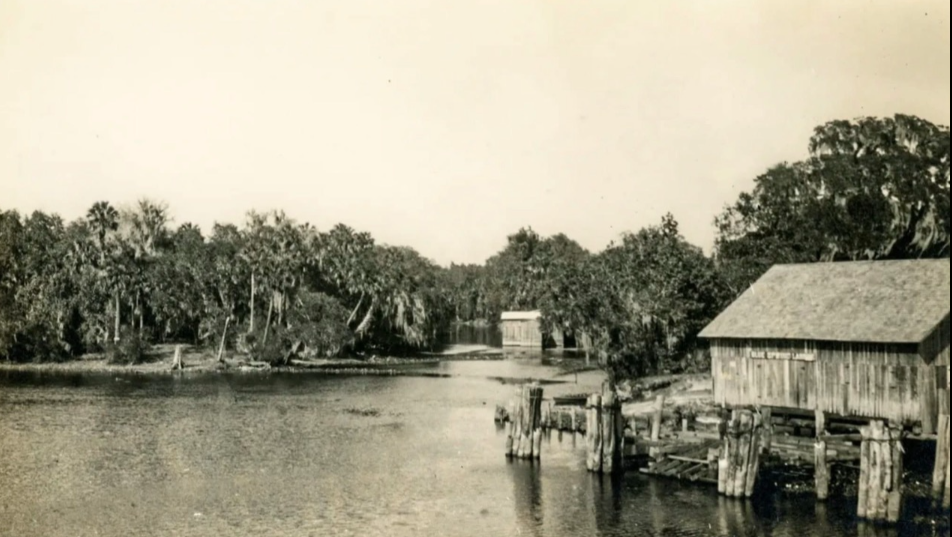
Note: If you find a cabin for sale deep in the backcountry, verify the access rights immediately. Some properties are accessible only by airboat or pole boat, which is part of the charm—provided you know how to navigate a mangrove tunnel.
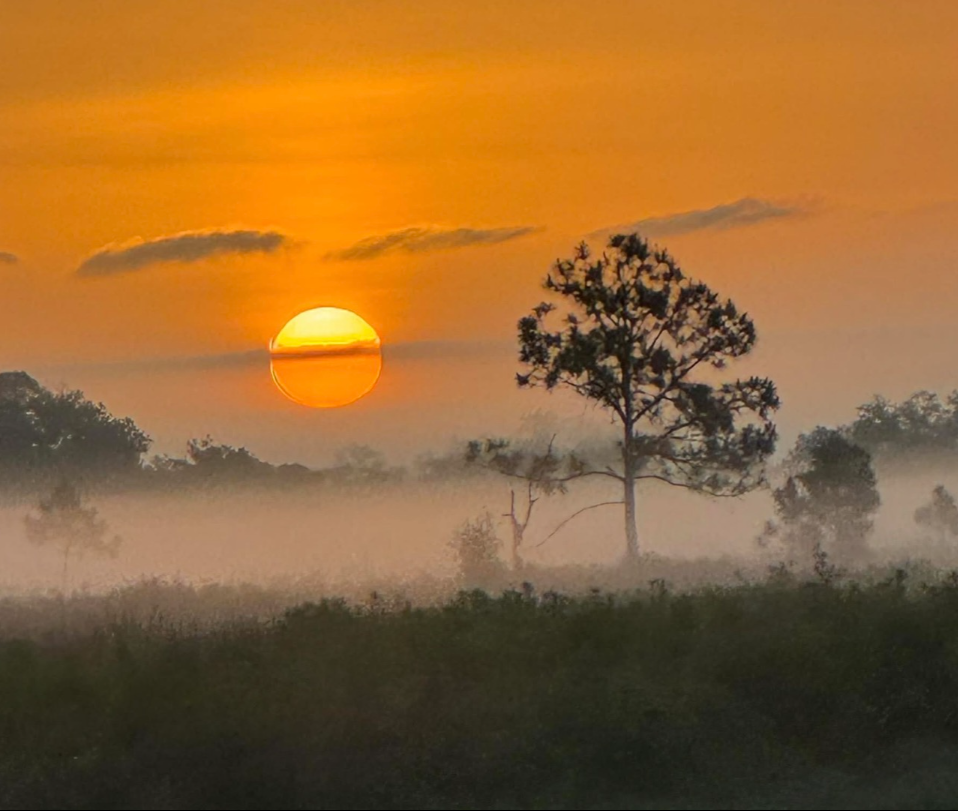
The Mental and Physical Benefits
Living near a wetland isn’t just an aesthetic choice; it is a physiological reset. Research into “Blue Spaces” (water-rich environments) suggests several key health outcomes:
1. The Restorative “Fascination”
Psychologists often point to the “Restorative Quality” of wetlands. The Everglades provides a high level of “soft fascination”—visual stimuli like swaying sawgrass or moving clouds—that allows the brain’s directed attention mechanisms to rest. This has been shown to significantly reduce symptoms of anxiety and mental fatigue.
2. Air Quality and Physical Vitality
The Everglades acts as a massive natural filter. The air is notably cleaner than in urban corridors, free from the heavy particulate matter of highway traffic. Furthermore, the physical demands of life here—loading a skiff, navigating uneven terrain, or even the balance required for “slough slogging”—provide a functional fitness level that traditional gym workouts rarely match.
Recreation: Beyond the Fishing Rod
While the Everglades is a world-class destination for backcountry fishing, owning a cabin opens up a broader spectrum of recreation:
- The Ten Thousand Islands: This labyrinth of mangroves is a paddler’s paradise. With a cabin as a base camp, you can explore the Marjory Stoneman Douglas Wilderness Way, a $99$-mile trail for kayaks and canoes.
- Slough Slogging: For the intrepid, “wet hiking” or slough slogging involves walking directly through the cypress domes. It is the best way to see rare ghost orchids and bromeliads up close.
- Dark Sky Astronomy: Because the Everglades is a vast “black hole” on light pollution maps, the night sky is spectacular. The park often hosts “Dark Sky” celebrations where the Milky Way is visible to the naked eye.
- Wildlife Photography: From the elusive Florida panther in the Big Cypress to the roseate spoonbills of Florida Bay, the seasonal migrations ensure that your backyard view is never static.
The Reality Check
Owning a piece of the Everglades requires a mindset of stewardship. You aren’t just buying a building; you are becoming a neighbor to an endangered ecosystem. This means managing your footprint, respecting the seasonal “wet” and “dry” cycles, and understanding that out here, the alligators were there first.
For the right person, the trade-off—a few mosquitoes and a lack of high-speed fiber—is a small price to pay for a front-row seat to the most prehistoric landscape in North America.