
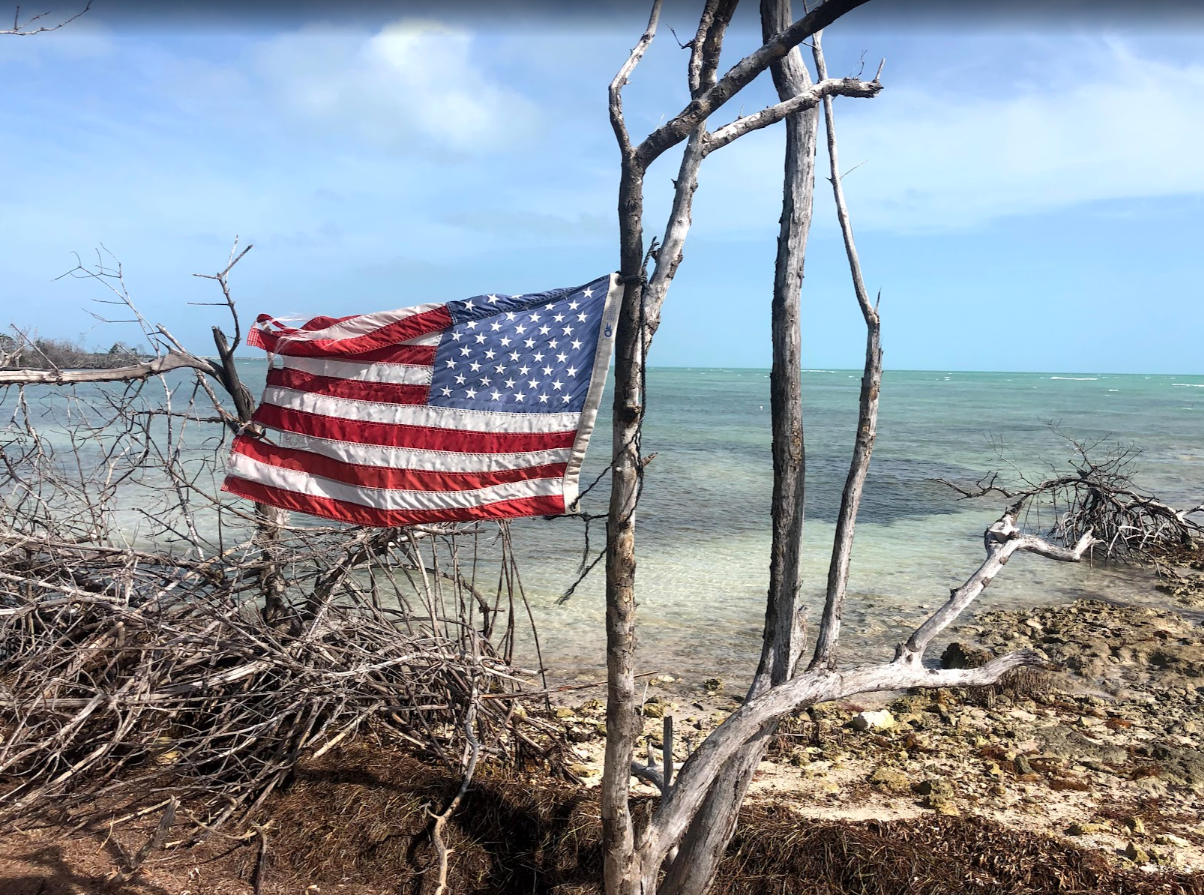
The history of the Florida Keys is a narrative of extreme engineering and multi-generational tenacity. While Henry Flagler’s “Overseas Railroad” provided the initial pulse, the actual survival and flourishing of the islands were secured by a secondary wave of contractors, families, and pioneers who turned a treacherous rail line into a habitable, world-class destination.
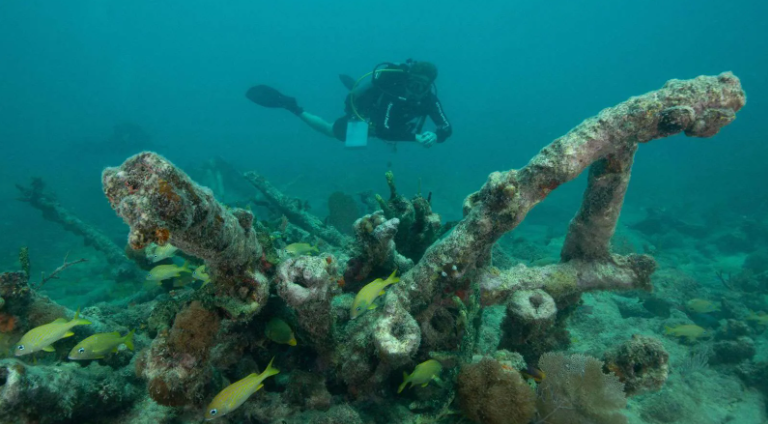
The Foundation: From Wrecks to Rails
Before the highway existed, the Keys were an archipelago of isolated industries. In the 19th century, Key West was the richest city in America per capita, not because of tourism, but because of “wrecking”—the salvage of ships that ran aground on the reef.
- Judge William Marvin: He was the legal architect of the Keys. By codifying wrecking laws in his Admiralty Court, he ensured the salvage industry remained professional and incredibly profitable, building the capital that would eventually attract Flagler’s interest.
- The Pinder and Russell Families: These were the original “Conchs” of the Upper Keys (specifically Upper Matecumbe and Plantation Key). Long before the first train arrived, they established a massive pineapple farming industry. By the late 1800s, the Pinders were shipping millions of pineapples to the mainland, proving that the Keys could sustain permanent, export-based economies.
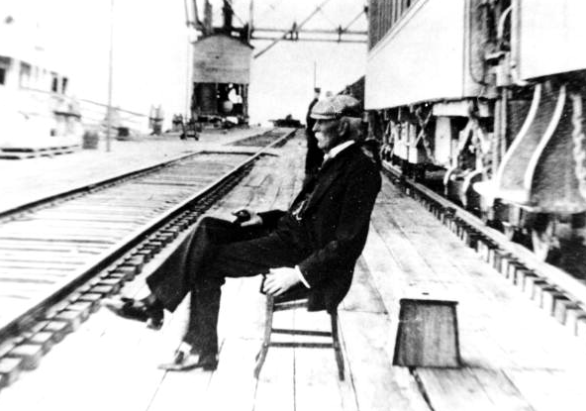
The Over-Sea Railroad (1905–1912)
Flagler’s project was a logistical nightmare that required the coordination of over 4,000 workers at any given time.
The Engineering Martyrs
While Flagler was the financier, the project’s physical success rested on Joseph Carroll Meredith. As the Chief Constructing Engineer, Meredith pioneered the use of “Tremie” concrete pouring, allowing foundations to be set in deep, moving saltwater. He worked himself to death, passing away in 1909 from sheer exhaustion and the effects of tropical diseases, just three years before the first train reached Key West.
His successor, William J. Krome, was the master surveyor. Krome spent months waist-deep in the Everglades and the Keys’ mangroves to find a path that didn’t just bypass the water but conquered it. He famously survived a 1906 hurricane that swept the “Houseboat No. 4” (a floating barracks) out to sea, killing dozens of workers—an event that nearly ended the project.
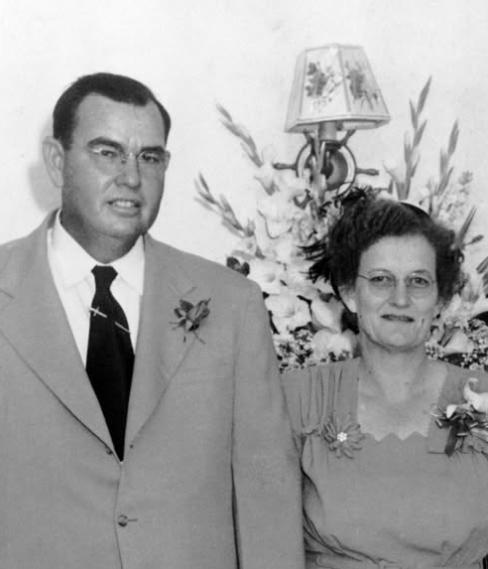
The Pivot: Alonzo Cothron and the Post-Railroad Era
The 1935 Labor Day Hurricane ended the railroad era, but it birthed the modern Keys layout. This transition was dominated by Alonzo Cothron, a legendary Islamorada-based contractor.
Cothron was the man who figured out how to build on and with the islands’ limestone. He was essentially the “Land-Maker” of the Keys.
- Greyhound Key (Fiesta Key): In the 1940s, Cothron was hired to transform what was then “Jewfish Key” into a bus terminal and tourist stop. He built a 125-seat restaurant and five red-roofed hotel buildings, calling it “the handsomest development of its kind.” This project proved that the Keys could survive as an automotive tourism hub rather than just a rail stop.
- Bridge Mastery: Cothron’s company was later instrumental in the 1980s bridge replacement project. He provided the heavy equipment and dredging expertise needed to set the spans for the modern Seven Mile Bridge and the Channel 2 bridge.
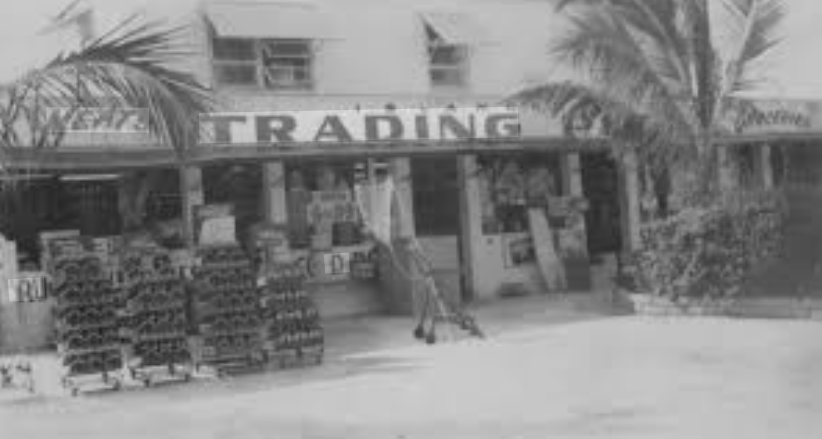
The Result of the Effort: Bud n’ Mary’s Marine
The completion of the Overseas Highway in 1938 and the land-reclamation efforts of Alonzo Cothron created the perfect vacuum for the fishing industry to explode. In 1944, Bud n’ Mary’s Fishing Marina was established in Islamorada.
Initially just a small bait shack and a few slips, it was the direct beneficiary of the new accessibility. It exists today as the oldest and largest fishing fleet in the Keys precisely because it sat at the intersection of Flagler’s old bridge footings and Cothron’s newly dredged harbors.
The Stanczyk Dynasty
Since 1978, the Stanczyk family has owned and evolved Bud n’ Mary’s into a global brand.
- Richard Stanczyk: The patriarch who revolutionized the industry. He was a pioneer in “daytime swordfishing,” a technique previously thought impossible, which solidified Islamorada’s title as the “Sportfishing Capital of the World.”
- Rick and Nick Stanczyk: Richard’s sons continue to operate the marina. Nick Stanczyk is widely considered one of the world’s premier swordfish captains, utilizing social media and modern media to keep the Keys’ fishing heritage relevant to a new generation of boaters.
Legacy Families and Modern Operations
Many of the original families from the “Pineapple Era” and the “Construction Era” still hold the reins of the Keys’ economy today.
| Family Name | Core Business | Influence & Location |
| The Pinders | Agriculture & Retail | Descendants of the original pineapple farmers still operate various retail and property holdings in the Upper Keys. |
| The Russells | Government & Real Estate | A cornerstone family in Islamorada; members have served as mayors and community leaders for generations. |
| The Stanczyks | Marine & Sportfishing | Owners of Bud n’ Mary’s. Their influence extends to conservation efforts for bonefish and tarpon. |
| The Spencers | Education & Marine Science | Currently operating Seacamp in Big Pine Key, a 60-year-old legacy institution founded to preserve the Keys’ environment. |
| The Cothrons | Infrastructure | While the original Alonzo Cothron passed, the family name remains synonymous with the engineering firms that still maintain the Keys’ delicate infrastructure. |
Why the Keys Exist Today
The Keys are not a natural phenomenon; they are a manufactured landscape. The “Conch” identity—tough, salt-crusted, and independent—is a direct reflection of these builders.
1.The Bridge Phase:1905-1935.
Using the labor of over 40,000 men to lay a rail line that was “unsinkable” (until it wasn’t).
2.The Reclamation Phase:1936-1960.
Alonzo Cothron and his peers used the surviving railroad spans as a skeleton to build the first highway and dredge the harbors that would host the fishing fleets.
3.The Branding Phase:1970-Present.
Families like the Stanczyks turned these physical outposts into a lifestyle, defining “Islamorada” as a specific culture of elite angling and conservation.
The Living History: If you visit Pigeon Key today, you aren’t just looking at an old railroad camp; you are standing on the 5-acre logistical brain center that Krome used to coordinate the Seven Mile Bridge. It remains the most intact piece of the original Flagler vision.
