
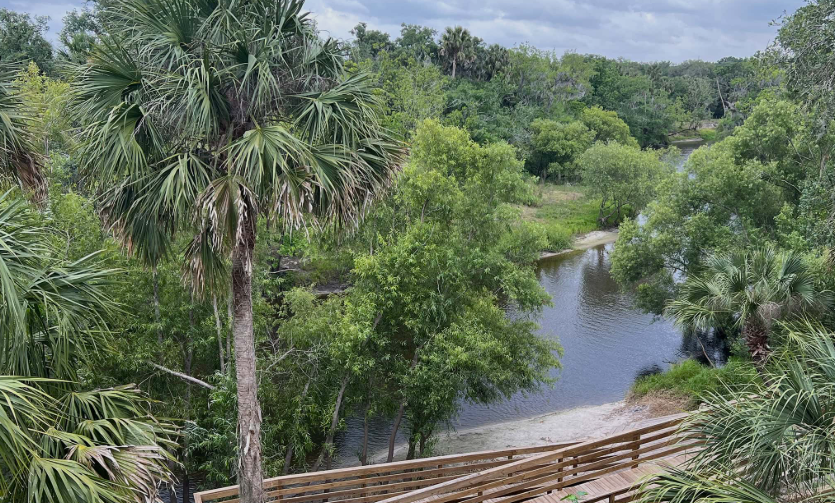
In a move reflecting the severity of the 2026 drought, the Southwest Florida Water Management District (SWFWMD) has officially closed the P-11 water control structure at Lake Hancock. This decision, announced in late April 2026, effectively severs the primary lifeline for the Upper Peace River in an effort to preserve the lake’s minimum water levels and the surrounding ecosystem.
The Immediate Impact: A River Interrupted
The closure of the P-11 structure halts the discharge of water from Lake Hancock into the Upper Peace River. Without this flow, the riverbed between Lake Hancock and Fort Meade is expected to become a series of disconnected puddles within days.
- Geographic Reach: The impact is most severe in the stretch from the lake through Bartow and down to Fort Meade.
- Duration: Officials predict the river will remain dry until the summer rainy season begins, typically in June.
- The 2026 Deficit: The region is currently grappling with a 12.8-inch rainfall deficit over the last 12 months, leaving water managers with no surplus to spare for downstream flows.
Ecological Consequences: A Harsh Trade-off
Water management is often a game of “ecological triage.” By closing the gates, the District is prioritizing the survival of Lake Hancock and the Circle B Bar Reserve wetlands over the immediate health of the river channel.
1. Fish Kills and Dissolved Oxygen
As the river stops flowing, fish become trapped in isolated, stagnant pools. As these pools shallow and heat up, dissolved oxygen levels plummet. The District has issued a stark warning: significant fish kills are expected both in the river channel and within Lake Hancock itself as water quality degrades.
2. Habitat Protection vs. Loss
- The Win: Keeping water in Lake Hancock protects the 1,267-acre Circle B Bar Reserve, a critical habitat for alligators, wading birds, and marsh species. Without this “minimum level” protection, the lake’s entire ecosystem could collapse.
- The Loss: The Upper Peace River’s aquatic habitat is essentially “reset.” Benthic organisms and fish populations that rely on continuous flow will be decimated in the affected stretches.
Navigation and Recreation
For boaters, kayakers, and outdoor enthusiasts, the Upper Peace River is effectively “closed” until further notice.
- Non-Navigable Waters: The transition from a flowing river to a dry bed happens rapidly. Navigation will be impossible for any vessel, including shallow-draft canoes and kayaks.
- Park Impacts: Local recreational areas along the river will see a shift from water-based activities to dry-land observation. While the Circle B Bar Reserve remains a focal point for wildlife viewing, the lack of water in the river may deter traditional fishing and paddling tourism in the Bartow and Fort Meade areas.
Looking Ahead: The Wait for the Rain
This is the first time in nearly a decade that conditions have been dire enough to warrant a total closure of the P-11 structure. The “recovery strategy” for the Peace River—which usually involves releasing stored water from Lake Hancock during dry spells—has been defeated by the sheer scale of the 2025–2026 rainfall deficit.
Until the first heavy tropical rains of June arrive to replenish the aquifer and surface basins, the Upper Peace River will remain a haunting reminder of Florida’s precarious water balance. Residents are encouraged to monitor local water restrictions as the District continues to manage the remaining reserves.
How has the drying of the Peace River impacted your local recreational plans or your observation of wildlife in the area?
