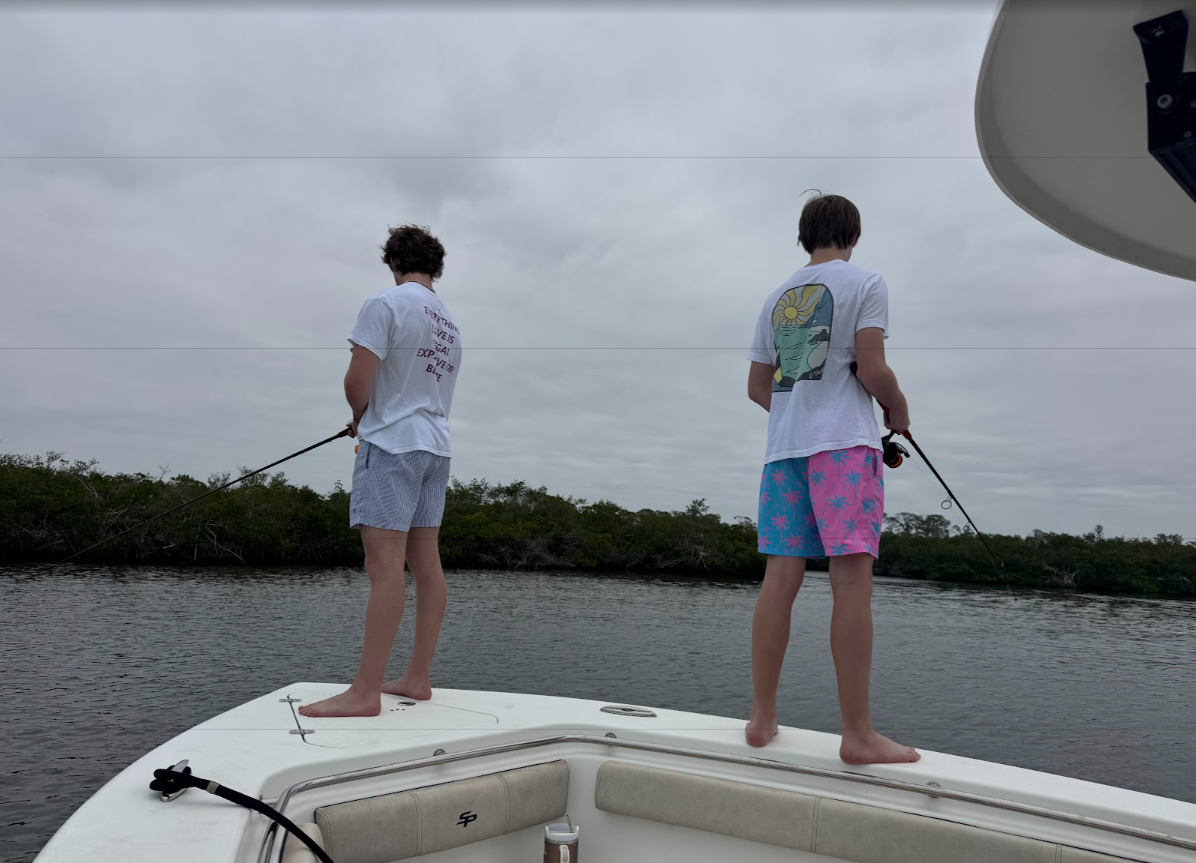
The 2026 tarpon season is officially in high gear. As of late April, the migration has moved steadily up from the Everglades and is currently thick along the beaches of Naples and Venice, with the first massive schools beginning to “daisy chain” in the deep holes of Charlotte Harbor and the Boca Grande Pass.
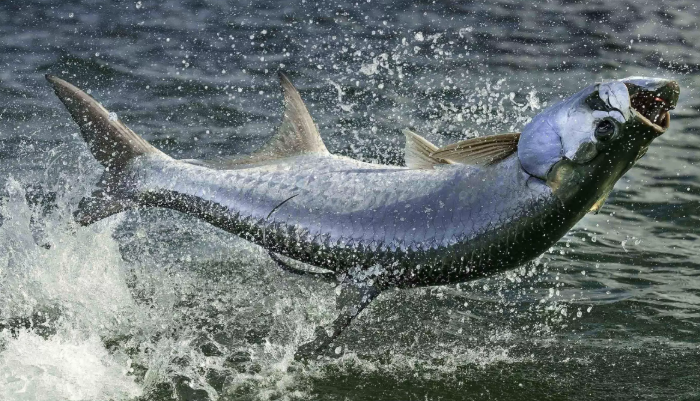
For any serious angler in Southwest Florida, the next eight to ten weeks represent the pinnacle of the fishing calendar. Here is the breakdown of how to handle the “Silver King” this year.
2026 Migration Timeline & Peak Windows
The 2026 season is following a classic temperature-driven pattern. With Gulf waters holding steady in the high 70s, the fish are aggressive and moving in predictable corridors.
Early Season: Staging
March – Early April
Fish began showing up in the backcountry basins of Marco Island and the deep canals of Cape Coral. Resident fish started to wake up as water temps hit 75°F.
The Front Line: Migration
Mid-April – May
The bulk of the migratory schools are currently moving along the beaches. This is the prime time for sight-casting in 10–20 feet of water between Sarasota and Sanibel.
The Peak: Boca Grande Era
May – June
The “World Capital” hits its stride. Massive concentrations of fish gather in the Pass and Charlotte Harbor for their pre-spawn gorging. This is the window for the highest hook-up volume.
Post-Spawn: The Back-End
July – August
After spawning offshore, fish return to the coast. While numbers drop, the fish that remain are often less “pressured” and more willing to eat.
High-Percentage Locations
- Boca Grande Pass: The deepest natural pass in Florida. Focus on the “Lighthouse Hole” during the outgoing tide when crabs are flushed out.
- Sarasota Bay & Egmont Key: Excellent for those looking to avoid the Boca Grande crowds. Look for fish “rolling” near the bridges or moving along the bars at the mouth of the bay.
- The Beaches: On calm mornings, tarpon cruise within 100 yards of the shoreline from Siesta Key down to Gasparilla. Stealth is paramount here; trolling motors or poling are the only ways to get close.
- Charlotte Harbor Flats: If the wind picks up on the Gulf, the deep holes and sandbar edges inside the harbor offer protection and plenty of hungry fish.
The Toolkit: Bait and Rigging
Local guides this year are leaning heavily on natural presentation. While artificials have their place, the “real thing” is hard to beat when the pressure is high.
| Bait Type | Best Use Case | Pro Tip |
| Pass Crabs | Deep-water passes | Pull the “flippers” off to keep the crab from swimming down; let it drift naturally with the current. |
| Threadfin Herring | Beach & Flat fishing | Free-line these on a 7/0 circle hook. Use “greenies” that are 5–7 inches for the best results. |
| Live Mullet | Backcountry/Bridges | Tail-hook them to make them swim away from the boat and stay near the surface. |
| Hogy Pro Tail | Artificial / Sight-casting | The 2oz silver or white paddle tail is the 2026 gold standard for mimicking a wounded baitfish. |
Rules of the Road: FWC & Etiquette
Tarpon are a highly regulated catch-and-release species. Florida law is strict to ensure the survival of these prehistoric giants.
1. The 40-Inch Rule: If a tarpon is over 40 inches (fork length), it must remain in the water at all times. Taking a “hero shot” with a large fish on the gunnel is a fast way to get a heavy fine and, more importantly, kill the fish through internal organ stress.
2. Circle Hooks Only: While not strictly mandated by FWC for all areas, almost all local guides use non-offset circle hooks to prevent “gut hooking.”
3. Pass Etiquette: If you see a boat hooked up, give them a wide berth. In the Boca Grande Pass, “burning” a school by running your big engine through the middle of it will earn you a very cold shoulder at the dock.
Guide Advice: “Bow to the King.” When the tarpon jumps, immediately point your rod tip at the fish and drop it low. This puts slack in the line so the fish doesn’t snap your leader with its weight during the thrash.
Secondary Opportunities
The tarpon migration is the “rising tide that lifts all boats.” The sheer volume of bait and activity attracts other heavy hitters.
- Cobia: Often found hitching a ride on the backs of rays or following tarpon schools. Keep a “pitch rod” ready with a bucktail jig.
- Kingfish & Spanish Mackerel: These follow the same bait pods (threadfins) that the tarpon do. They provide high-speed action if the tarpon bite is slow.
- Great Hammerheads: These 12-foot apex predators follow the tarpon schools specifically to feed on fatigued fish. You’ll often see them patrolling the passes.