Southwest Florida is, by any measure, one of the premier birdwatching destinations in North America. The combination of year-round subtropical climate, extraordinary coastal and inland wetland habitat, the Gulf Coast migration corridor, and the biological richness of the Everglades watershed edge produces a bird diversity that attracts serious listers from around the world.
The region supports over 400 species across the calendar year — including breeding populations of species found nowhere else in the continental United States, winter concentrations of northern migrants, shorebird assemblages along Gulf beaches that peak during spring and fall migration, and the spectacular wading bird rookeries that made South Florida famous among naturalists in the late 19th century.
This county-by-county guide covers the best birding locations in Sarasota, Lee, and Collier counties — from the most accessible urban parks to remote wilderness preserves — with notes on what to expect at each site, when to visit, and what key species each location offers.
Sarasota County
Celery Fields Regional Stormwater Facility
GPS: 26.3300° N, 82.4297° W | Fee: Free | Difficulty: Easy
Don’t let “stormwater facility” fool you. The Celery Fields — a series of retention ponds and berms on the east side of Sarasota — is consistently rated one of the best birding sites in all of Florida and regularly appears on national birding destination lists. The open water, shallow marsh edges, and elevated berm trails provide habitat for an extraordinary diversity of species within a compact, easily walked area.
What you’ll find: Shorebirds during migration (April–May and July–September) are the headline attraction — stilts, avocets, dowitchers, sandpipers, and plovers gather here in numbers that serious listers travel from other states to observe. Mottled ducks breed here year-round. Painted buntings winter in the scrub edges from October through April — the males are among the most vividly colored birds in North America. Purple martins stage in huge pre-migration roosts in late summer, sometimes numbering in the tens of thousands.
Best months: April–May for migration shorebirds, October–March for winter species including painted buntings, November–February for waterfowl.
Tip: The hawk watch at Celery Fields is one of the few reliable inland hawk migration monitoring points on the Gulf Coast. Visit on northwest winds in September–October for broad-winged hawk and peregrine falcon movement.
Myakka River State Park
GPS: 27.2344° N, 82.3203° W | Fee: State Park entrance fee | Difficulty: Easy–Strenuous
Florida’s largest state park (37,000 acres) encompasses one of the most important waterbird habitats in the region — the Upper Myakka Lake and its surrounding marsh and oak-palm hammock. The park’s sheer size means birding here encompasses multiple distinct habitats and days of exploration.
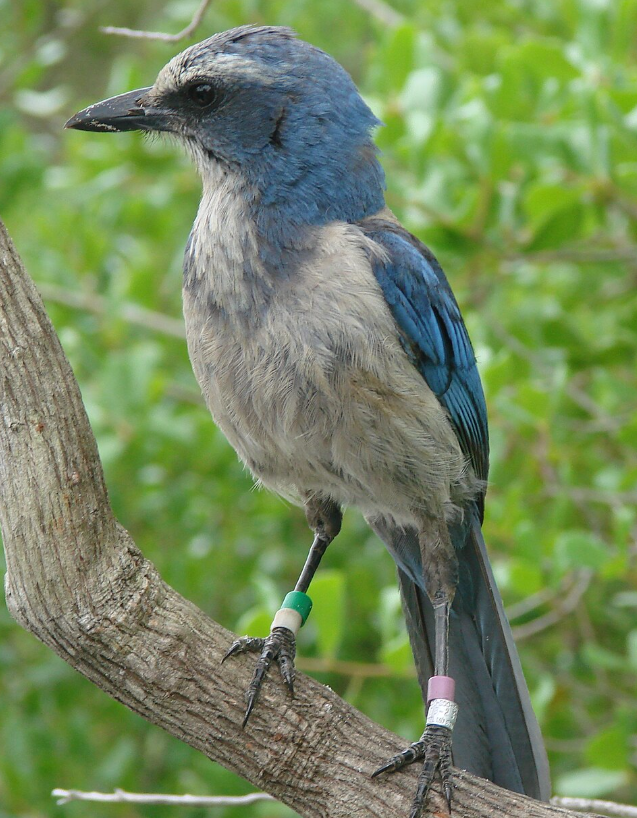
What you’ll find: Sandhill cranes are so common here they’re almost furniture — pairs nesting along roadsides, families grazing in open meadows, large flocks gathering in winter. Florida scrub-jays — one of Florida’s most sought-after endemic species — inhabit the scrub habitat in the park’s northern sections. Wading birds on the lake are spectacular: the tri-color herons, roseate spoonbills, and wood storks visible from the lake boardwalk and tram are frequently at extremely close range.
The overnight primitive camping options make Myakka exceptional for dawn birding — the hour before sunrise on the lake is one of the finest acoustic and visual bird experiences in Southwest Florida.
Best months: November–April for peak bird diversity and access. Wet season flooding creates difficult trail conditions but can concentrate waterbirds dramatically on remaining shallow areas.
Rothenbach Park
GPS: 27.3167° N, 82.4167° W | Fee: Free | Difficulty: Easy
A quiet county park with a trail system through pine flatwoods and oak scrub that is reliable for several specialty species: Florida scrub-jay, Eastern towhee, and a good variety of warblers during migration. Small, accessible, and consistently underbirded relative to its quality.
Little Salt Spring (Sarasota County Park)
GPS: 27.0742° N, 82.2317° W | Fee: Free | Difficulty: Easy
A natural spring with a loop trail through hydric hammock and scrub. Barred owls are reliably present, limpkins call from the surrounding swamp edges, and the hammock trail produces good warbler diversity in fall migration.
Lee County
Ding Darling National Wildlife Refuge (J.N. “Ding” Darling NWR)
GPS: 26.4572° N, 82.1211° W | Fee: Vehicle entry fee | Difficulty: Easy
Ding Darling is the most famous birding destination in Southwest Florida and one of the most visited national wildlife refuges in the United States. It occupies 6,400 acres of mangrove, marsh, and coastal upland on the northern end of Sanibel Island, and its 4-mile Wildlife Drive is one of the most productive bird-per-mile routes in North American birding.
What you’ll find: Roseate spoonbills year-round (with peak numbers October–March), reddish egrets performing their dancing hunting displays in the tidal shallows, American white pelicans in winter flocks of hundreds, ospreys nesting on every available elevated structure, and the full suite of wading birds at impressive densities. During shorebird migration, the tidal flat exposures near the end of the Wildlife Drive host assemblages that experienced birders rank among the best in the state.
The mangrove-lined canoe/kayak trail adds a second dimension — the interior mangrove channels produce black-whiskered vireo in spring, mangrove cuckoo (one of Florida’s most sought secretive species), and good numbers of wintering warblers.
Best months: October–April for peak species diversity. Arrive at the Wildlife Drive gate by 7:30 AM — it opens at sunrise and the first two hours are by far the best, before midday heat reduces activity.
One caution: Summer (July–September) brings the highest visitor density and lowest bird activity. The refuge is still open but the experience is significantly diminished compared to the cool season.
Six Mile Cypress Slough Preserve
GPS: 26.5661° N, 81.8875° W | Fee: Parking fee | Difficulty: Easy
A county-managed preserve with an exceptional 1.2-mile boardwalk through a flowing cypress slough in the middle of Fort Myers’s suburban landscape. The boardwalk elevation puts you at mid-canopy height among the cypress, offering eye-level views of nesting anhingas, great blue herons, and yellow-crowned night herons. River otters are seen here with surprising regularity.
Six Mile Cypress Slough is the best quick-access birding destination in Lee County for residents who want a 90-minute morning outing without driving to Sanibel or the backcountry. The bird diversity is excellent, the boardwalk is fully accessible, and the wildlife is remarkably confiding given the suburban setting.
Best months: January–April for active nesting and peak wader concentration in the slough. January–March features wood storks roosting in the cypress canopy at the northern end of the boardwalk.
Caloosahatchee Regional Park
GPS: 26.6789° N, 81.6672° W | Fee: County park fee | Difficulty: Easy–Moderate
A large riverside park along the Caloosahatchee River with trails through pine flatwoods and hammock. Red-headed woodpeckers, a species declining across much of their range, are reliably present here — making it a worthwhile stop for woodpecker enthusiasts. The river itself supports ospreys, belted kingfishers, and good wading bird activity along the banks.
Matlacha Pass National Wildlife Refuge (Pine Island Area)
GPS: 26.6394° N, 82.1031° W | Fee: Free | Difficulty: Easy (boat/kayak access)
The mangrove islands and oyster bar habitat of Pine Island Sound and Matlacha Pass are exceptional for brown pelicans, double-crested cormorants, and the roseate spoonbills that nest on protected mangrove islands throughout the system. While the primary access is by water (kayak or motorboat), the causeway road along Pine Island provides good roadside birding with frequent roseate spoonbill sightings from the car.
Koreshan State Park
GPS: 26.4333° N, 81.8500° W | Fee: State Park entrance fee | Difficulty: Easy
The hammock and river edge habitat at Koreshan produces excellent warbler diversity during fall and spring migration and is reliable for painted buntings in winter. The Estero River frontage attracts kingfishers, herons, and the occasional anhinga year-round. A compact and undervisited gem.
Collier County
Corkscrew Swamp Sanctuary
GPS: 26.3733° N, 81.5993° W | Fee: Yes (~$17 adults) | Difficulty: Easy
Already covered in depth in its own guide, Corkscrew is simply one of the finest birding sites in the continental United States. Its boardwalk through old-growth cypress consistently produces wood stork (January–March nesting), barred owl, limpkin, anhinga, and an extraordinary supporting cast of wading birds and forest species. A birder’s bucket list destination.
Naples Botanical Garden
GPS: 26.0819° N, 81.7264° W | Fee: Garden admission | Difficulty: Easy
Though primarily a horticultural destination, the Naples Botanical Garden contains significant natural habitat areas that attract migrant warblers, thrushes, and other land birds during fall and spring migration. The native plant sections and water features concentrate birds predictably. During an active fall migration morning, the garden’s shrub edges can hold an impressive diversity of warblers, vireos, and flycatchers.
Rookery Bay National Estuarine Research Reserve
GPS: 26.0406° N, 81.6944° W | Fee: Free trail access | Difficulty: Easy–Moderate
Rookery Bay protects 110,000 acres of mangrove estuary southeast of Naples and is one of the most intact coastal ecosystems on the Gulf of Mexico. The environmental learning center offers a good introduction, but the real birding value is in the kayak trails through the mangrove channels, where mangrove cuckoo, black-whiskered vireo, and mangrove warbler (a distinctive subspecies of yellow warbler) can be found during appropriate seasons.
The Shell Island Road access point offers a convenient land-based birding route through coastal scrub and mangrove fringe with regular roseate spoonbill and large wader activity.
Gordon River Greenway
GPS: 26.1498° N, 81.7497° W | Fee: Free | Difficulty: Easy
Naples’s most accessible urban birding trail — see the Collier County hiking guide for full details. Exceptional for a quick morning outing with bald eagles, ospreys, roseate spoonbills, and a wide variety of wading birds accessible within minutes of the Naples downtown area.
Marco Island — Tigertail Beach
GPS: 25.9550° N, 81.7239° W | Fee: Parking fee | Difficulty: Easy
Tigertail Beach is one of the best shorebird and wading bird locations in Collier County. The tidal lagoon behind the beach — Sand Dollar Island — exposes vast mudflats at low tide that attract shorebirds during migration and support a permanent colony of nesting American oystercatchers, least terns, and Wilson’s plovers. Roseate spoonbills and tri-colored herons forage in the shallows throughout the cool season.
Best time: 2 hours before and 2 hours after low tide for shorebird activity. Tide charts are freely available online and are essential for planning this visit effectively.
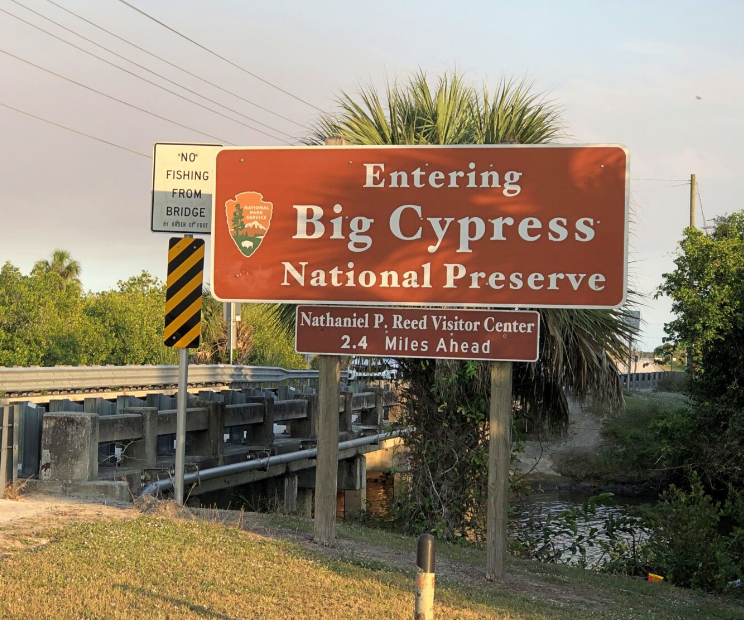
Big Cypress National Preserve — Loop Road
GPS: 25.7964° N, 81.0775° W | Fee: Free | Difficulty: Easy–Moderate
Already described in the Big Cypress beginner guide, Loop Road is exceptional for birding — particularly for species associated with interior cypress and prairie habitat. Short-tailed hawks (a rare tropical buteo) hunt over the open prairie sections. Swallow-tailed kites are spectacular from March through July. Limpkin populations are dense in the slough sections. And the remote, undisturbed character of the road makes the entire drive feel more like an expedition than a recreational outing.
Birding Calendar Summary for Southwest Florida
October–November: Arrival of winter residents begins. Painted buntings return to scrub and backyard feeders. American kestrels appear in open country. Duck numbers build on freshwater marshes.
December–February: Peak winter bird diversity. Northern harriers cruise marsh edges. Peregrine falcons patrol Gulf beaches. Waterfowl variety peaks on freshwater lakes. Wood stork nesting activity begins at Corkscrew and major rookeries.
March–April: Spectacular spring migration begins. Swallow-tailed kites arrive from South America in late March. Warblers move through coastal hammocks in impressive numbers mid-April through early May. Shorebird migration peaks on coastal mudflats.
May–June: Breeding season in full swing. Most winter visitors have departed. Swallow-tailed kites, roseate spoonbills, and the full suite of wading birds are nesting.
July–September: Summer heat and rain season. Migration shorebirds begin moving south in July. Fewer species overall but the landscape is at its most lush and the birding for specialists is excellent. Painted buntings begin returning to yards and feeders in late September.
Getting Started: Essential Gear
Binoculars: The single most important investment for birding in Southwest Florida. Recommended minimum: 8×42 roof prism optics. Brands like Vortex Diamondback or Nikon Prostaff offer excellent quality at accessible price points. Avoid 10x magnification for beginners — the narrower field of view makes finding moving birds in vegetation significantly harder.
Field guide: The Sibley Guide to Birds or the National Geographic Field Guide to Birds of North America are the standard references. The Merlin Bird ID app from Cornell Lab of Ornithology (free) is exceptional for quick identification and now includes Sound ID, which can identify birds from their calls in real time — a transformative tool for birders of all experience levels.
eBird: The Cornell Lab’s free eBird platform (ebird.org) allows you to view recent sightings at any location, find what species others are seeing near you today, and log your own sightings. It is the single most useful planning tool for birding in Southwest Florida and is worth learning before your first outing.