

Relocating to Southwest Florida is often framed as an upgrade to paradise—sun-drenched days, endless outdoor recreation, and a laid-back coastal rhythm. But for teenagers, moving to the region presents a complex psychological and social transition. Beneath the surface of pristine beaches and palm trees lies a unique environment that can inadvertently amplify isolation, social friction, and mental health strain for adolescents trying to find their footing.
Understanding the psychological hurdles of a Sunshine State relocation—and knowing how to support and counsel your teen through them—can mean the difference between a difficult adjustment and a thriving transition.
The Hidden Mental Health Hurdles in SWFL
The Summer Isolation Trap In many parts of the country, summer is a time of neighborhood pickup games, bustling parks, and easy neighborhood socialization. In Southwest Florida, the brutal summer heat, intense humidity, and daily torrential downpours often have the opposite effect on teens. Confined indoors to escape the midday heat, newly arrived adolescents can easily slip into sedentary routines, screen dependency, and social withdrawal. Without built-in school routines or established local friend groups, the summer months can trigger intense feelings of loneliness and homesickness.
The Transient Social Landscape Southwest Florida’s economy is heavily shaped by seasonal tourism and a high influx of relocating families. For teens, this transient dynamic can make the social scene feel fragmented. Peer groups may shift dramatically between the bustling winter season and the quieter off-season, and making deep, lasting connections can feel like a moving target. Adolescents may struggle to find “their people” in a region where neighborhoods often lack the traditional, densely packed walkable youth communities found in other parts of the country.
Red Flags: What Parents Need to Look For
When teens are struggling to adjust to a major move, they rarely articulate it as “homesickness” or “relocation stress.” Instead, mental health strain often manifests behaviorally:
- The “Sunshine State” Withdrawal: Persistent reluctance to explore the new area, complete avoidance of outdoor activities, or an over-reliance on digital connections with out-of-state friends at the expense of local engagement.
- Apathy and Lethargy: Uncharacteristic withdrawal from family dynamics, profound boredom, or a flat affect that extends beyond typical teenage sullenness.
- Sleep and Routine Disruptions: Significant changes in sleep patterns—often fueled by late-night screen time used to stay connected to old peer groups across different time zones.
- Identity Disruption: Expressing a loss of self (“Nobody here gets me,” or “I miss who I was back home”), accompanied by frustration over the cultural and social differences of the local peer landscape.
How to Counsel and Support Your Teen
1. Validate the Grief of the Move Before rushing to point out the perks of living near the beach, validate your teen’s loss. Moving means severing deep emotional tethers, identity markers, and established social currency. Acknowledge that feeling lonely in paradise is completely normal. Active listening without immediate problem-solving allows teens to process their grief rather than internalizing it.
2. Focus on Micro-Communities, Not Mass Socializing Telling a shy or displaced teen to “just go make friends” at a large public venue is overwhelming. Instead, help them plug into structured, niche micro-communities where peer bonding happens organically through shared tasks rather than forced small talk.
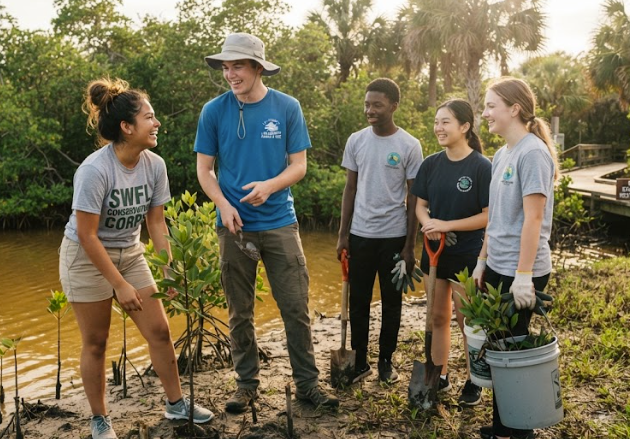
- Look into local youth leadership initiatives, such as county park volunteer tracks or municipal conservation programs, where teamwork builds natural camaraderie.
- Connect them with active regional groups—whether through community recreation centers, local martial arts dojos, or outdoor adventure clubs—where consistent weekly attendance fosters low-pressure friendships.
3. Reset the Rhythm Around the Climate Combat the indoor isolation trap by reframing how your family engages with the local environment. Teach your teen to embrace the “early bird” lifestyle of Southwest Florida. Plan outings, paddleboarding sessions, or beach walks during the cool early morning hours or late evenings. Breaking the cycle of indoor confinement re-establishes a healthy mind-body connection and introduces them to the best parts of the regional landscape.
4. Seek Local Professional Support When Needed If your teen’s adjustment difficulties cross the line into persistent anxiety, withdrawal, or depressive symptoms that last for more than a few weeks, don’t hesitate to engage local adolescent mental health professionals who understand the unique stressors of transient, sunbelt communities.
Relocating your family to Southwest Florida is a major life pivot. By keeping a close eye on your teen’s mental well-being, validating their social friction, and anchoring them in purposeful local activities, you can help them navigate the transition from feeling like an outsider to building a resilient, grounded life on the coast.