
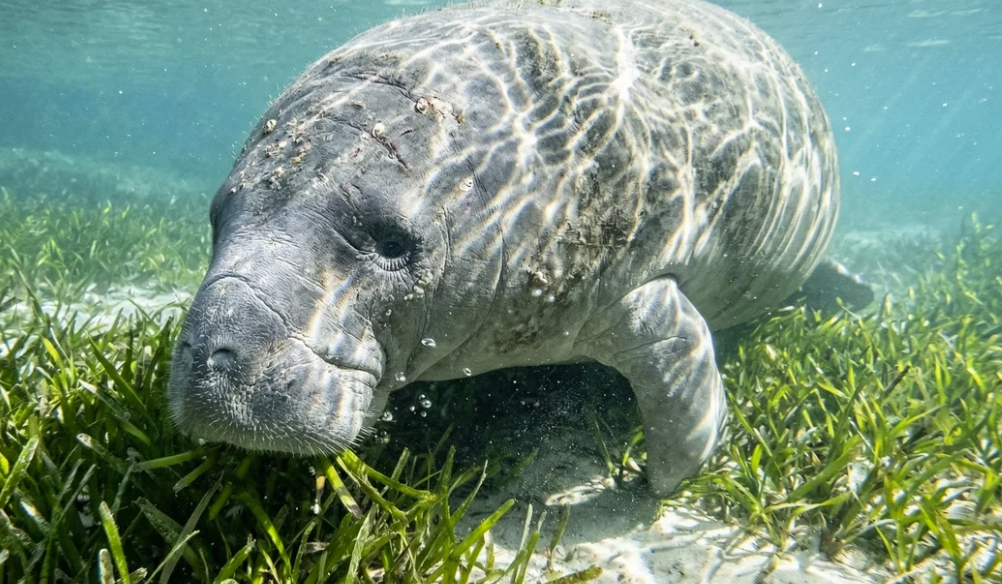
Southwest Florida offers some of the most consistent opportunities to encounter wild West Indian manatees in the United States. While winter brings massive herds into concentrated warm-water refuges, these gentle marine mammals inhabit the region’s rivers, estuaries, and bays all 365 days of the year.
Knowing where to look and when to go is the key to an unforgettable encounter. This guide breaks down the best viewing locations, seasonal movement patterns, month-by-month activity, and essential viewing etiquette for Southwest Florida.
Top Manatee Viewing Hotspots in Southwest Florida
             SWFL MANATEE HOTSPOTS
┌──────────────────────────────────────────────┐
│  Lee County Manatee Park (Fort Myers)        │  ◄── Top Winter Refuge
│  Lovers Key State Park (Fort Myers Beach)    │  ◄── Estuary & Kayak Hub
│  Tarpon Bay & JN "Ding" Darling (Sanibel)    │  ◄── Year-Round Estuary
│  Ten Thousand Islands & Everglades City      │  ◄── Wild Mangrove Routes
│  Sirenia Vista Park (Cape Coral)            │  ◄── Canal & Kayak Launch
└──────────────────────────────────────────────┘
- Lee County Manatee Park (Fort Myers): Situated along a warm-water discharge canal near the Orange River, this non-captive park is one of SWFL’s premier winter viewing destinations.
- Lovers Key State Park (Fort Myers Beach): Shallow back bays, estuaries, and mangrove channels make this an ideal spot for year-round paddling encounters.
- JN “Ding” Darling National Wildlife Refuge & Tarpon Bay (Sanibel Island): Caloosahatchee estuaries and protected bays shelter foraging mother-and-calf pairs during warmer months.
- Sirenia Vista Park (Cape Coral): An 8-acre environmental park features paved boardwalks, kayak launches, and frequent canal sightings.
- Ten Thousand Islands & Chokoloskee (Everglades City Area): Warm tidal creeks and brackish mangroves provide ideal summer feeding grounds.
Seasonal Movement: Winter Refuge vs. Summer Dispersal
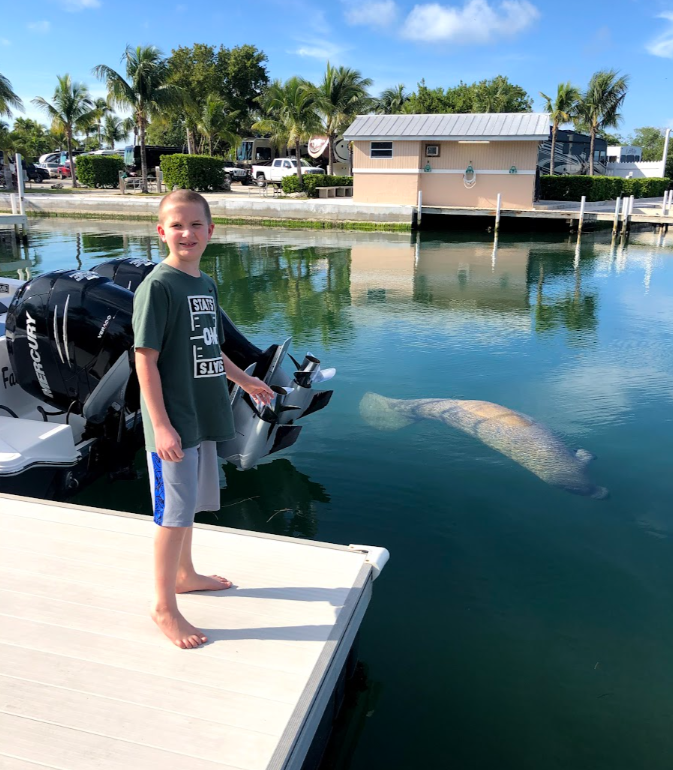
Understanding manatee behavior requires looking at water temperature, not air temperature. Because manatees are warm-blooded mammals with low metabolic rates and thin layers of blubber, water dropping below 68°F (20°C) can cause cold stress syndrome, which is fatal.
| Season | Behavior & Water Temp | Primary Habitats | Viewing Difficulty |
| Winter (Nov–Mar) | Aggregating in warm-water discharge canals & inland springs (< 68°F Gulf temp) | Power plant outflows (Orange River), deep canals | Very Easy (high density, predictable) |
| Spring (Apr–May) | Transitioning out of canal refuges into coastal bays | Estuarine rivers, intracoastal waterways, bayous | Moderate (scattered, active feeding) |
| Summer (Jun–Aug) | Dispersed wide; active foraging on seagrass beds | Coastal bays, beaches, mangrove islands, tidal rivers | Moderate–Hard (requires kayak/boat) |
| Fall (Sep–Oct) | Beginning movement back toward inland warm water | Coastal rivers, canals, passways | Moderate (weather-dependent) |
Month-by-Month Guide to Manatee Spotting
January — Peak Winter Spike
- Where to Go: Lee County Manatee Park (Fort Myers), Orange River.
- What to Expect: Cold fronts push water temperatures in the Gulf down to their lowest levels, causing hundreds of manatees to pack tightly into the warm canal water.
- Insider Tip: Visit on the coldest morning following a cold front. Arrive right at opening to avoid peak crowds on the boardwalks.
February — High Density & Nursery Groups
- Where to Go: Lee County Manatee Park, Sirenia Vista Park (Cape Coral).
- What to Expect: Water temperatures remain low, keeping manatee numbers high. Mother manatees nursing young calves are frequently spotted resting near the canal edges.
- Insider Tip: Rent a kayak at the Manatee Park launch to paddle out toward the Orange River, but maintain a respectful distance from sleeping herds.
March — The Spring Transition
- Where to Go: Caloosahatchee River mouth, Lovers Key State Park.
- What to Expect: As Gulf waters warm past 68°F, manatees begin leaving inland canals. Sightings at Manatee Park drop off, but coastal river bends and bay openings become active.
- Insider Tip: March marks the end of official winter refuges; shift your search toward shallow coastal flats where aquatic vegetation grows.
April — Mating Herds & Coastal Foraging
- Where to Go: Tarpon Bay (Sanibel Island), Estero Bay.
- What to Expect: Spring brings the start of mating season. Visitors may witness “mating herds”—a single female followed by several male suitors in shallow water near shoreline edges.
- Insider Tip: Look for “footprints”—smooth, circular water ripples created on the surface by a manatee’s tail blade as it swims.
May — Warm Estuary Exploration
- Where to Go: JN “Ding” Darling NWR, Lovers Key waterways.
- What to Expect: Manatees are scattered throughout coastal estuaries, feeding up to 7 to 8 hours a day on seagrass beds.
- Insider Tip: Book a morning paddleboard or kayak tour when winds are low and surface water is glassy.
June — Summer Dispersion
- Where to Go: Naples Bay, Marco Island canals, Ten Thousand Islands.
- What to Expect: Manatees roam widely. They frequently enter residential canals in search of freshwater runoff from rainfall or garden hoses.
- Insider Tip: High sun angles make June excellent for spotting underwater shadows from elevated boardwalks or boat decks.
July — Mangroves & Coastal Bays
- Where to Go: Everglades City, Chokoloskee, Gordon Pass (Naples).
- What to Expect: Manatees seek shade and brackish feeding grounds deep inside mangrove tunnels and remote tidal channels.
- Insider Tip: Keep an eye out for manatees coming up for air every 3 to 5 minutes near mangrove banks.
August — Peak Summer Grazing
- Where to Go: Pine Island Sound, Matlacha Pass.
- What to Expect: High water temperatures mean manatees are fully active, travelling between offshore seagrass beds and freshwater river inlets.
- Insider Tip: Look around dock pilings and shallow grass flats during high tide when manatees float over shallow beds to feed.
September — Early Autumn Cruising
- Where to Go: Estero River, San Carlos Bay.
- What to Expect: Rainfall slows slightly, and manatees remain widely distributed throughout coastal SWFL bays.
- Insider Tip: Early mornings provide the calmest waters before afternoon tropical thunderstorms roll through.
October — Pre-Migratory Foraging
- Where to Go: Caloosahatchee River, Sirenia Vista Park.
- What to Expect: As autumn nights begin to cool, manatees slowly begin moving back toward inland waterways and river systems.
- Insider Tip: Fall is an excellent time for quiet kayak trips along inland creeks before winter crowds arrive.
November — The Winter Return
- Where to Go: Lee County Manatee Park (opening of peak season), Orange River.
- What to Expect: The first cold fronts of late fall trigger manatee movement back into warm-water discharge zones.
- Insider Tip: Check local water temperature gauges; when Gulf waters dip under 70°F, inland park counts rise rapidly.
December — Winter Surge
- Where to Go: Lee County Manatee Park, Franklin Lock (Olga).
- What to Expect: Holiday traffic peaks alongside manatee numbers. Cold snaps draw large numbers into shallow, warm canal waters.
- Insider Tip: Visit mid-week to avoid heavy holiday land traffic at popular viewing parks.
Essential Manatee Viewing Etiquette (“Mind Your Manatee Manners”)
Manatees are protected under federal law by the Marine Mammal Protection Act of 1972 and the Endangered Species Act of 1973, as well as the Florida Manatee Sanctuary Act.
Crucial Rules for Responsible Viewing:
- Practice Passive Observation: Look, but never touch, chase, feed, or give water to wild manatees.
- Keep Your Distance: Give manatees plenty of space, especially mother and calf pairs.
- No Feeding or Watering: Offering fresh water from a hose or food alters their natural foraging habits and brings them dangerously close to boat propellers.
- Mind Speed Zones: When boating in Southwest Florida, strictly obey all posted idle and slow-speed zone signs.
- Stash Your Trash: Properly discard fishing line and plastics, which pose severe entanglement risks to marine life.
Frequently Asked Questions
Can you swim with manatees in Southwest Florida?
Unlike Crystal River (located in Central Florida’s Citrus County), swimming with wild manatees is generally prohibited or strongly restricted in most Southwest Florida state and county parks to protect designated warm-water sanctuaries. The best way to experience them in SWFL is from land-based observation decks, boardwalks, or via kayak/paddleboard.
Is Lee County Manatee Park guaranteed to have manatees?
Sightings at Manatee Park depend entirely on water temperature. During cold winter snaps (December through February), sightings are almost guaranteed. During warm summer months, water in the Gulf is warm, so the manatees disperse, leaving the park’s canal largely empty.
What gear should I bring for land viewing?
- Polarized Sunglasses: Cuts surface glare on the water so you can see underwater manatees clearly.
- Telephoto Lens / Binoculars: Allows close-up viewing while maintaining a safe distance.
- Reef-Safe Sunscreen & Hat: Essential for exposed boardwalks and kayak launches.